

Home Elevator Cost: How Much Does a Home Elevator Cost?
On this page
A home elevator can cost between $35,000 and $100,000+ installed, depending on the elevator type, number of floors, customization, and construction requirements. The final home elevator cost depends on the product and the specific needs of your home. A compact two-stop elevator may involve fewer installation requirements than a larger, multi-stop system with custom finishes.
At Cube Lifts, we understand that choosing a home elevator is about more than the initial price. It’s about making everyday life easier, preserving living space, and enjoying the home you already love.
The Cube, our square, air-powered residential elevator made by PVE, offers a space-saving solution for two and three-story homes. In this guide, we’ll break down home elevator prices, installation expenses, maintenance, and the factors that influence the total investment.
Key Takeaways
- Home elevator costs vary based on elevator technology, size, number of stops, and installation requirements.
- The Cube is a compact, air-powered residential elevator designed for two- and three-story homes.
- Its self-supporting design eliminates the need for a traditional elevator shaft, pit, or separate machine room, which may reduce certain construction requirements.
- Final Cube pricing depends on the configuration, home layout, site preparation, options, and local dealer quote.
Understanding the Average Home Elevator Cost
A home elevator purchase can bring more comfort and convenience to a multilevel home, but homeowners should understand what contributes to the overall price.
The initial equipment cost is only part of the investment. Depending on the elevator system and the property’s layout, a complete project may also involve electrical work, structural modifications, installation labor, permits, and optional upgrades.
Home Elevator Cost by Type
Home elevators come in several forms, including hydraulic, traction, pneumatic, and screw-driven systems. Each technology has different space requirements, installation considerations, and ownership expenses.
The following ranges are general market estimates from PVE’s published cost guide.
| Home Elevator Type | General Installed Cost Estimate |
|---|---|
| Pneumatic vacuum elevators | $35,000–$100,000+ |
| Hydraulic elevators | $40,000–$100,000+ |
| Traction elevators | $50,000–$120,000+ |
Pneumatic Elevators
Pneumatic elevators use differences in air pressure to raise the cabin, while gravity assists its descent. Their self-supporting construction can simplify certain installation requirements compared with systems that need a conventional elevator shaft or pit.
These features can make air-powered elevators appealing to homeowners seeking a compact residential solution.
Hydraulic Elevators
Hydraulic elevators use a pump and hydraulic fluid to move the elevator car between floors. Depending on the elevator model, installation may require additional space for equipment, a pit, or a dedicated hoistway.
These requirements can increase construction complexity and affect the final project budget.
Traction Elevators
Traction elevators generally use cables and counterweights to move the cabin. Their installation needs depend on the equipment and travel requirements.
Homeowners comparing traction elevators should consider the available space, construction needs, and ongoing maintenance alongside the initial price.
Screw-Driven Elevators
Screw-driven elevators use a motor-driven screw mechanism to move the cabin vertically. Some systems are designed for compact residential installations.
Prices and construction requirements vary by manufacturer and configuration, so homeowners should request a project-specific estimate.
When comparing these options, remember that the least expensive elevator unit may not necessarily produce the lowest total installed cost.
How Much Does The Cube Home Elevator Cost?
The Cube is designed for homeowners who want easier movement between floors without sacrificing valuable living space or undertaking extensive traditional elevator construction.
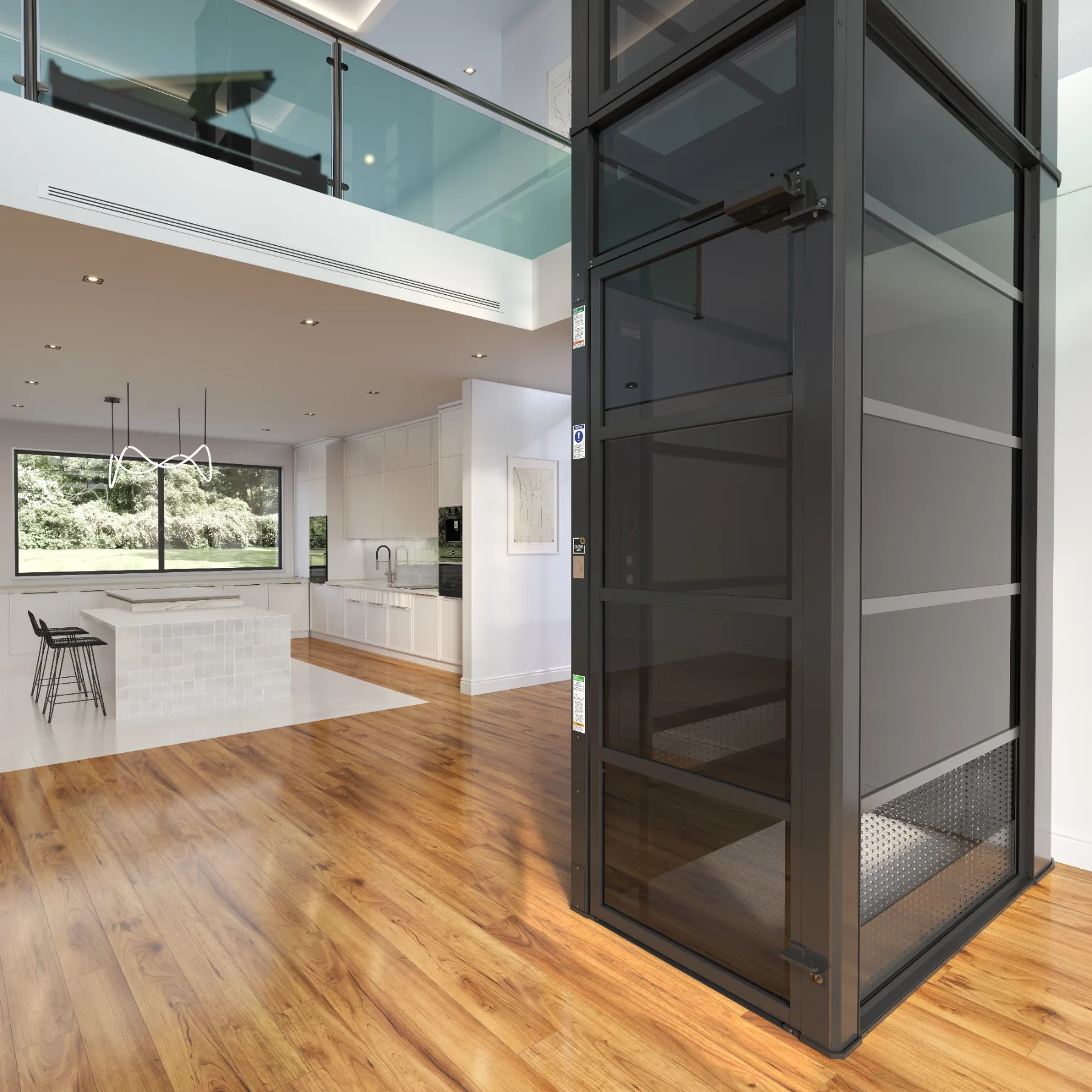
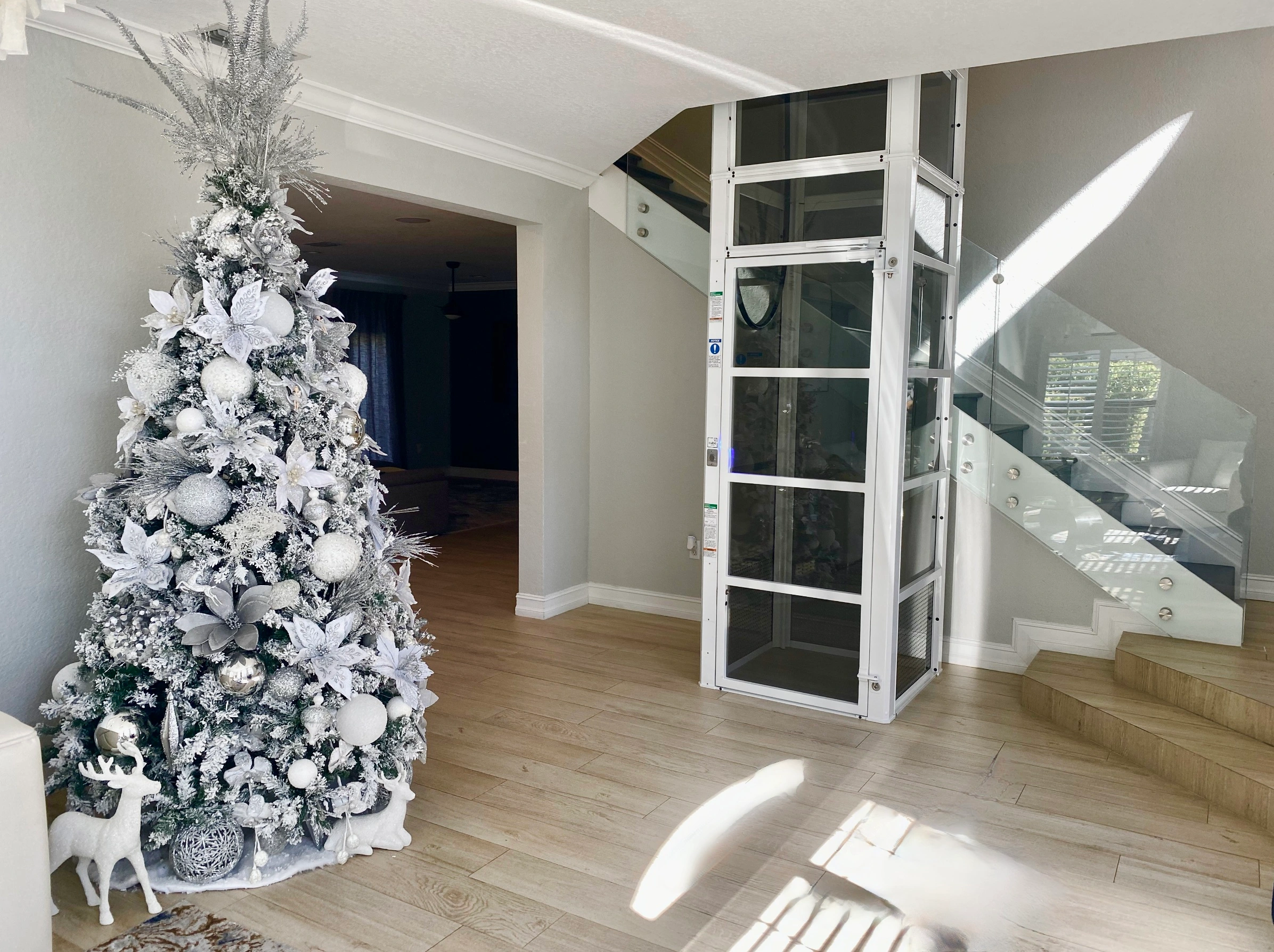
Unlike many conventional elevator systems, The Cube uses a compact, self-supporting square structure powered by pneumatic technology.
The Cube’s final price depends on the home’s layout, the number of stops, the required travel distance, selected design options, and installation conditions. Authorized dealers provide project-specific pricing following a review of the home.
What Makes The Cube Different?
| Feature | The Cube Specifications |
|---|---|
| Elevator design | Square, air-powered |
| Exterior dimensions | 36″ × 36″ |
| Passenger capacity | Up to 2 passengers |
| Weight capacity | 450 lbs |
| Configurations | 2 or 3 stops |
| Maximum travel distance | 35 feet |
| Installation time | Typically 2–3 days after site preparation |
| Construction | Self-supporting; no traditional shaft or pit required |
| Design | 360-degree panoramic visibility |
Made by PVE and assembled and factory-tested in Miami, Florida, The Cube combines a modern square design with pneumatic technology developed and refined since 2002.
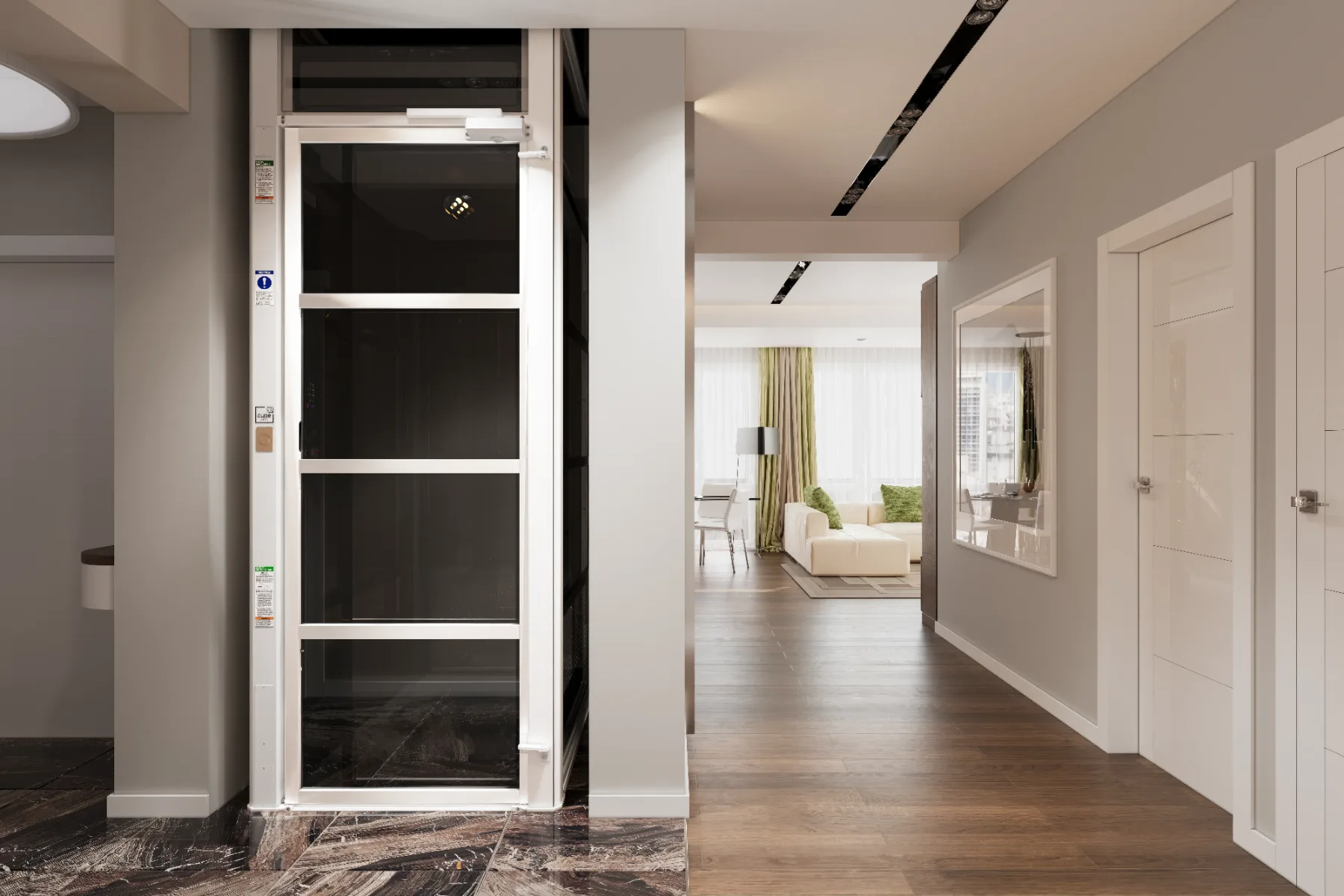
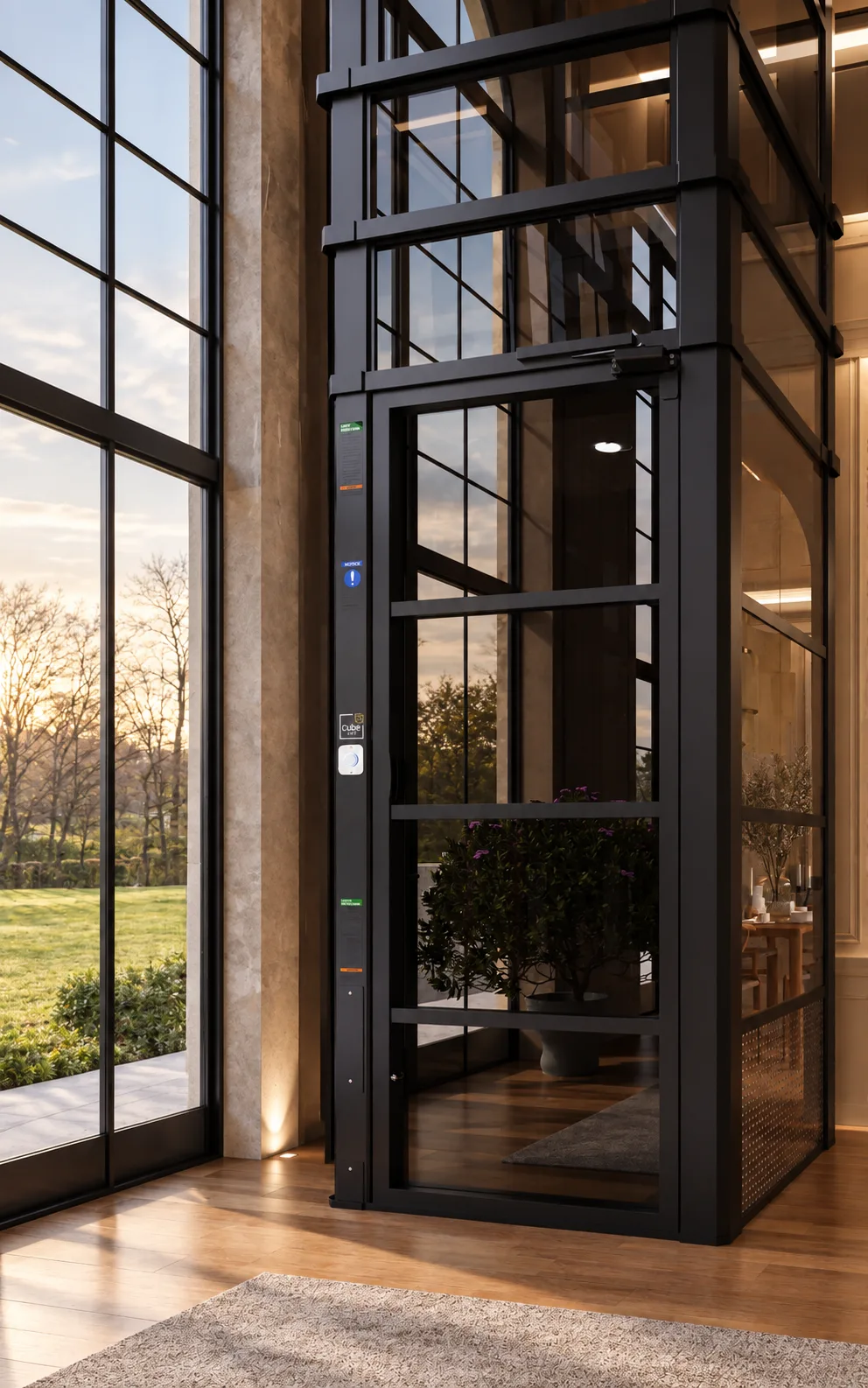
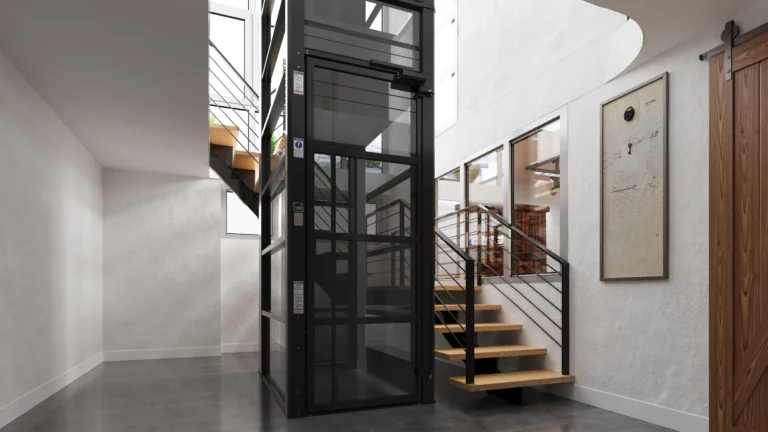
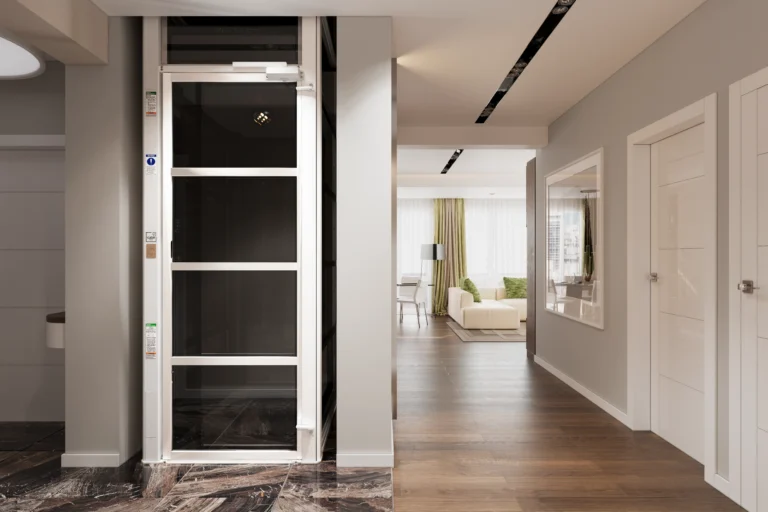
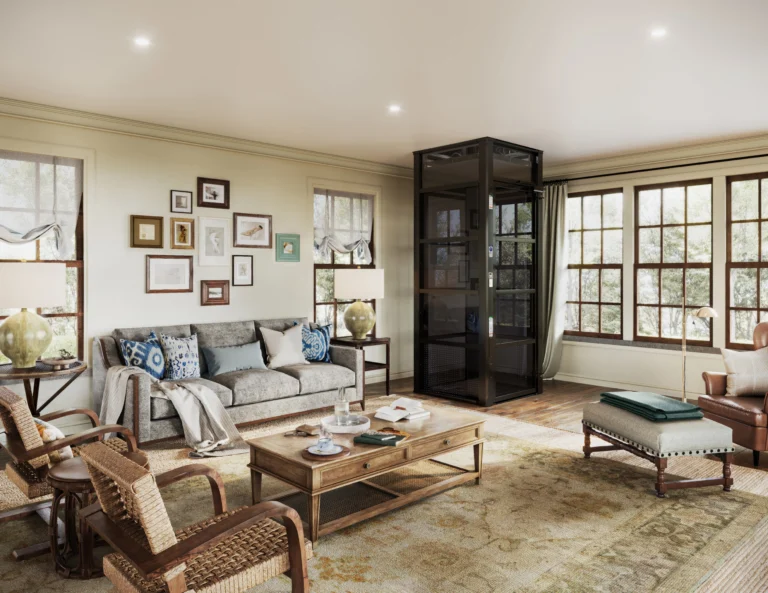
Its aluminum frame and polycarbonate panels create an open, panoramic appearance that can complement a variety of home interiors.
The Cube is intended for residential use and is not wheelchair accessible or ADA compliant. Homeowners requiring wheelchair access should consider products specifically designed for those needs.
What Factors Affect Home Elevator Prices?
Several factors influence the total cost of a residential elevator. Understanding these variables can help homeowners set a realistic budget and select the most suitable elevator model.
1. Elevator Size and Passenger Capacity
A larger elevator generally requires more materials and may involve different installation considerations. Homeowners should determine how many people will use the elevator and what they expect to transport between floors.
The Cube accommodates up to two passengers with a total weight capacity of 450 pounds. Its 36″ × 36″ exterior dimensions make it a compact option for many residential layouts. Choosing an appropriately sized elevator can help balance passenger comfort, available space, and overall cost.
2. Number of Stops and Travel Distance
The number of floors served is an important factor in home elevator pricing. A three-stop system generally requires more travel distance and additional landing components than a two-stop configuration. This can affect equipment and installation costs.
The Cube is available in two- and three-stop configurations, with a maximum travel distance of 35 feet. Homeowners should identify which floors need elevator access and confirm floor-to-floor measurements, including ceiling heights, before requesting an estimate.
3. Existing Home vs. New Construction
Installing an elevator during new construction can make it easier to coordinate floor openings, electrical requirements, and elevator placement. Retrofitting an existing home may require additional preparation, such as adjusting framing, creating floor openings, or relocating utilities.
The Cube’s self-supporting design can simplify some of these considerations because it does not require a traditional elevator shaft or pit.
However, every home is different. An on-site assessment is necessary to determine the appropriate location and installation requirements.
4. Custom Features and Finishes
Elevator upgrades and customizations can increase the overall home elevator cost. Homeowners may want a design that complements existing architecture or provides additional everyday comfort.
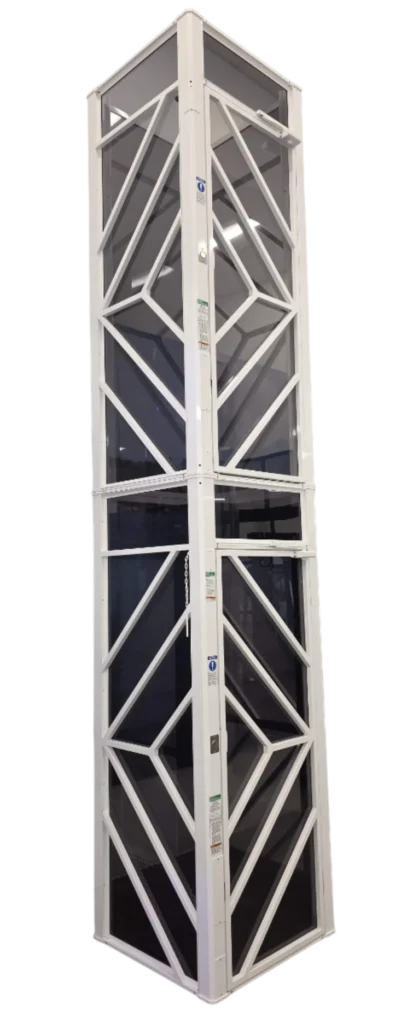
The Cube offers options such as an in-cabin folding seat and exterior design enhancements through its Designer Series. The Diamond Package, for example, offers distinctive exterior panels for two- and three-stop configurations.
The final cost of these features depends on the selected configuration and local dealer pricing. Before choosing additional features, discuss which options are available and how they affect the overall quote.
5. Location, Permits, and Labor
Installation costs vary depending on the property’s location, local building codes, and the work needed to prepare the home. Permit fees, inspections, shipping, taxes, and electrical preparation may also influence the final price.
A detailed estimate should distinguish the cost of the elevator from additional site preparation, contractor expenses, and optional upgrades.
Two-Story vs. Three-Story Home Elevator Costs
The number of levels served can make a meaningful difference in the final home elevator price.
Cost Considerations for a Two-Story Home
A two-stop elevator connects two levels, making it a practical option for homeowners who want easier access between a main floor and an upper level. With fewer stops, there may be less equipment and installation work than in a larger multi-stop project.
For suitable homes, The Cube’s compact footprint and self-supporting structure may also help limit the space required for installation.
Some homeowners compare a compact elevator with a stair lift when looking for a practical way to move between two floors. The right choice depends on mobility needs, available space, and budget.
Cost Considerations for a Three-Story Home
A three-stop home elevator serves an additional level, which may require more equipment, travel distance, and landing preparation. The Cube can be configured for three-story homes, providing access between multiple floors while maintaining its compact square design.
The final price depends on floor heights, home layout, available clearances, and installation requirements.
Neither configuration has a universal installed price. A dealer consultation is the best way to compare a two-stop and three-stop Cube for your particular home.
How Much Does It Cost to Install a Home Elevator?
Along with the elevator unit itself, installation is an important expense to consider. The installation process varies depending on the home’s layout, the selected elevator type, and existing site conditions.
Traditional elevator systems may require construction of a shaft, additional equipment space, structural work, or extensive modifications to existing floors. These requirements can increase labor and material expenses.
How The Cube Simplifies Installation
The Cube features self-supporting construction that does not require a traditional elevator shaft, pit, or separate machine room. This can simplify the installation process in suitable homes while preserving valuable living space.
Installation typically takes two to three days once site preparation is complete. However, the total project timeline may be longer when electrical preparation, floor openings, permits, inspections, or additional construction work are necessary.
The Cube requires a suitable 220–240V, 30-amp, single-phase electrical supply. Through-floor installations use a 38″ × 38″ floor opening. An authorized dealer can verify the home’s dimensions, review applicable building codes, and confirm installation requirements.
For homeowners preparing their property, our Cube Lifts installation guide offers additional information about electrical preparation and installation planning.
Ongoing Home Elevator Maintenance and Operating Costs
A home elevator is a long-term investment, so homeowners should consider maintenance and operating expenses as part of the total cost of ownership. Residential elevators require appropriate servicing to maintain reliable performance and safety.
Maintenance Requirements
Traditional elevator systems may require routine inspections and servicing of hydraulic components, cables, mechanical equipment, or other moving parts.
The Cube is designed for minimal maintenance compared with many traditional home elevators. Its pneumatic technology does not require harmful oils, gases, or lubricants, which helps simplify certain maintenance tasks.
However, this does not mean the elevator is maintenance-free. Homeowners should consult their authorized dealer for recommended service intervals, inspections, replacement parts, and maintenance costs.
Electricity Costs
Electrical usage depends on the elevator technology, frequency of use, and installation configuration.
The Cube uses electricity to create the pressure difference that raises the cabin. Gravity assists its descent, reducing the energy needed for downward travel.
This makes pneumatic technology an option worth considering for homeowners interested in energy-conscious home improvements. When comparing the ongoing cost of home elevators, ask about the selected model’s electrical requirements and recommended maintenance schedule.
Does a Home Elevator Increase Property Value?
Installing a home elevator can improve everyday convenience and may make a multistory property more appealing to certain buyers. Homeowners planning to age in place may particularly appreciate the ability to move between floors without relying entirely on stairs.
An elevator can also appeal to families interested in long-term comfort, practical home upgrades, and multigenerational living.
However, the impact on resale value is not guaranteed. Location, market conditions, installation quality, home design, and buyer preferences all influence whether an elevator adds measurable value to a property.
Instead of focusing only on potential resale value, consider the personal benefits of a home elevator, including convenience, independence, and the ability to continue enjoying more of your home.
Are Home Elevators Worth the Investment?
A home elevator is a significant purchase, but its value extends beyond the equipment itself.
For homeowners who plan to remain in a multistory house, easier access between floors can support daily comfort and reduce reliance on stairs. It can also make carrying groceries, luggage, laundry, and other household items more convenient.
The Cube is designed around these everyday needs. Its compact structure, panoramic design, and air-powered operation provide a residential elevator option without the conventional construction requirements associated with many traditional systems.
The right choice ultimately depends on your budget, available space, mobility needs, and long-term plans.
For homeowners looking for an attainable, design-conscious option, The Cube is worth considering alongside other residential elevator systems.
Frequently Asked Questions About Home Elevator Cost
How much does a home elevator typically cost?
According to PVE’s published home elevator cost guide, residential elevator installations can range from $35,000 to $100,000 or more, depending on the elevator type, number of floors, customization, and installation requirements.
This is a general residential elevator pricing benchmark, not a confirmed price for The Cube. Final Cube pricing depends on the selected configuration, site preparation, available options, and local dealer quote.
How much does a small home elevator cost?
A small home elevator may involve less equipment or construction than a larger system, but the final cost depends on its technology, configuration, and installation requirements. Some compact or shaftless elevator designs may reduce certain space requirements in suitable homes. For The Cube, dealer pricing varies based on the number of stops, available options, shipping, taxes, and the home’s preparation needs.
What determines the price of a home elevator?
The main factors affecting home elevator cost include elevator type, cabin size, weight capacity, number of stops, installation complexity, electrical upgrades, labor costs, permits, and optional features. The home’s layout and available ceiling height can also influence installation requirements.
How much does it cost to install a home elevator?
Installation costs depend on the equipment and the work required to prepare the home.
A project involving structural modifications, new electrical circuits, or complex floor openings may cost more than an installation in a home already prepared for an elevator. Request an itemized quote to understand which expenses are included, particularly equipment, labor, structural work, electrical upgrades, and permits.
Do home elevators require regular maintenance?
Yes. Residential elevators require appropriate inspection and servicing. The Cube is designed for minimal maintenance compared with many conventional elevator systems, but owners should follow the maintenance schedule recommended by their authorized dealer.
Maintenance costs vary by location, service provider, and the work required.
Are pneumatic elevators more affordable than traditional elevators?
Pneumatic elevators may reduce certain construction expenses because some models do not require a traditional shaft, pit, or separate machine room. However, overall costs depend on the elevator model and installation requirements. Pneumatic elevators are not automatically the least expensive option for every project.
Is The Cube suitable for a three-story home?
Yes. The Cube is available in two- and three-stop configurations, with a maximum travel distance of 35 feet. An authorized dealer can determine whether the home’s dimensions, ceiling heights, and layout meet the installation requirements.
Can I finance a home elevator?
Financing options depend on the seller, lender, and current programs available. Homeowners can ask their authorized dealer about available financing or explore other funding options. Confirm all applicable terms before making a decision.
Are home elevators a good investment for property value?
A home elevator may improve a property’s appeal to buyers who value comfort, convenience, and easier movement between floors. However, a specific increase in resale value cannot be guaranteed. Homeowners should also consider the everyday benefits rather than relying solely on potential financial returns.
Find the Right Home Elevator for Your Budget
The cost of a home elevator depends on much more than the price of the equipment. Elevator technology, size, number of stops, installation work, customization, and maintenance all influence the total investment.
Understanding these factors can help you compare options and plan a project that fits your home and budget.
At Cube Lifts, we believe easier access between floors should complement the home you love. The Cube combines a compact square design, air-powered technology, and practical features for two- and three-story residential living.
Ready to find out what The Cube would cost in your home?
Schedule your free consultation to review your home’s layout, explore available configurations, and receive a personalized estimate from an authorized dealer.
Was this article helpful?
Get in touch to schedule a call back
One of our lift experts will answer all of your questions.
Prefer to talk now? (877) 814-7028