

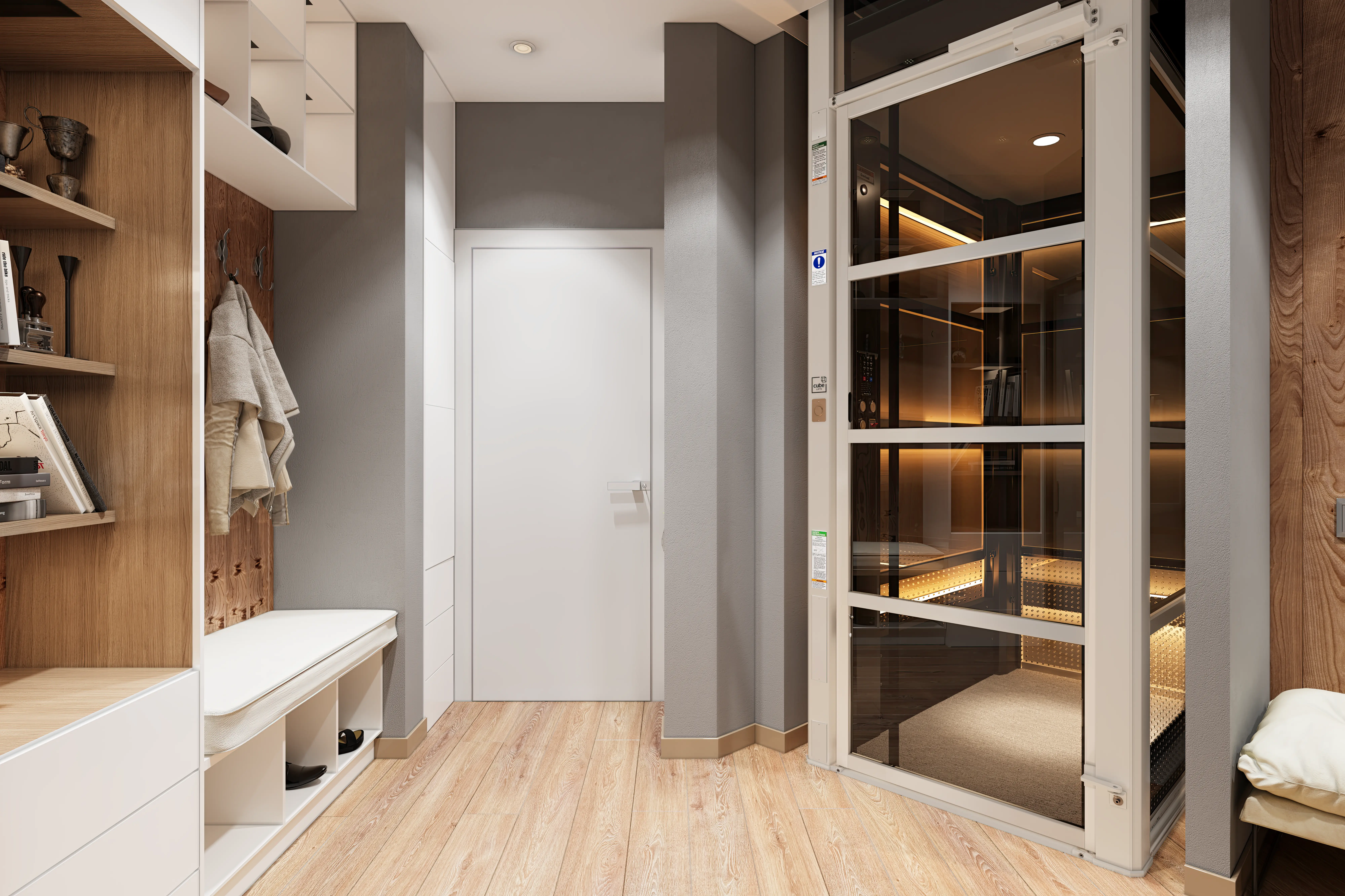
Adding an elevator to an existing home can feel like a major project, but it is often more realistic than many homeowners expect. The right solution depends on your floor plan, available space, structural conditions, mobility needs, and local installation requirements.
Many homeowners consider a residential elevator because they want to stay in their home longer, support family members with limited mobility, or make daily movement between floors easier. Others are planning ahead for future mobility, resale value, or a more convenient way to use a multi-level house.
In this guide, we’ll look at what to consider before home elevator installation, including space requirements, construction costs, installation timelines, safety features, and when a compact pneumatic vacuum elevator may be a good fit for an existing house.
Quick Answer: Can You Add an Elevator to an Existing Home?
Yes, adding an elevator to an existing home is possible in many houses. The best option depends on the home’s layout, available space, number of floors, and installation process. Traditional elevators may require a shaft, pit, machine room, or more structural modifications, while compact pneumatic vacuum elevators can sometimes be installed with less construction.
A professional site evaluation is the best way to confirm the ideal location, cost factors, and installation options.
Why Homeowners Add Elevators to Existing Homes
Homeowners consider adding an elevator to an existing home for many reasons. For some, it is about making daily life easier. For others, the main reason is accessibility, future mobility, or making a multi-level house more practical long term.
A home elevator can help with:
- Carrying laundry, groceries, luggage, or heavy items between floors
- Helping family members with limited mobility move more comfortably
- Reducing daily reliance on stairs
- Supporting aging in place
- Making the home easier to use as needs change
A home elevator may also add convenience and appeal for potential buyers, especially when it is planned carefully and fits the home’s style. That said, resale value can vary by market, location, and buyer needs, so it is better to think of an elevator as both a lifestyle upgrade and a long-term accessibility investment.
Before choosing an elevator type, it helps to understand what problem the elevator needs to solve: everyday convenience, accessibility, future mobility, or a mix of all three.
Key Factors to Review Before Home Elevator Installation
Before starting a home elevator installation, homeowners should look closely at the existing house and how the elevator will be used. A residential elevator needs to fit the floor plan, available space, structural conditions, and daily routine of the people living in the home.
1. Number of Floors
Start with how many floors the elevator needs to serve. A two-story home may only need one connection between levels, while a larger house may require more stops and a closer look at the current layout.
2. Available Space
The elevator cab needs enough room for safe entry and exit. The installation team may review floor space, ceiling height, exterior wall placement, and whether the home has a dedicated space that could work for a new elevator.
3. Structural Conditions
The home’s structure matters, especially when adding an elevator to an existing home. A professional should review floor openings, framing, access to power, and any structural modifications that may be needed.
4. Accessibility and Future Mobility
Homeowners should think about who will use the elevator now and later. Family members with limited mobility, aging-in-place plans, wheelchair access, or future mobility needs can all affect the best elevator type.
5. Budget and Long-Term Use
Installation costs, maintenance needs, energy efficiency, and long-term use should also be part of the decision. These factors can help narrow the elevator type before the project moves into detailed installation planning.
How Much Space Do You Need for Elevator Installation?
One of the biggest questions homeowners ask is how much space they need for elevator installation. The answer depends on the elevator type, the home’s floor plan, the number of floors, and whether the system requires a shaft, pit, machine room, or dedicated space.
Traditional residential home elevators, including some hydraulic elevators, may need more floor space and more construction. They may also require a separate equipment area or machine room, depending on the system.
A pneumatic vacuum elevator can be a better fit in homes with limited space because it has a small footprint and does not require the same type of elevator shaft or hydraulic system. This can make the installation process easier in some existing homes, especially when the goal is less disruption.
Still, every house is different. Before adding an elevator, a professional should review the current layout, available space, floor openings, and whether there is enough room for the elevator cab and safe landing areas.
Choosing the Best Location for a New Elevator
Finding the best location for a new elevator is one of the most important parts of the planning process. In an existing home, the elevator needs to fit into the current floor plan without disrupting the rooms, walkways, or daily use of the house.
Common placement options may include:
- Near or inside a staircase
- Through stacked closets on each floor
- In an open corner or living area
- Along an exterior wall
- Near a central hallway where the elevator can serve the right floors
The best location depends on available space, floor openings, ceiling height, access to power, and how the elevator cab will open at each level. The goal is to place the lift where it feels useful, safe, and natural in the home’s layout.
A professional site review can help identify the best location, estimate construction costs, and confirm whether the installation process can be completed with less construction work.
Pneumatic Vacuum Elevators vs. Hydraulic and Traction Elevators
Not every elevator type works the same way, and the right choice depends on your existing home. A pneumatic vacuum elevator uses air pressure to move the elevator cab between floors. Hydraulic elevators use fluid pressure and a piston system, while traction elevators use cables, counterweights, and a drive system.
For an existing house, the biggest differences usually come down to space, construction, and installation costs. Hydraulic elevators and traction elevators may require an elevator shaft, pit, machine room, or more structural modifications. That can work in some homes, but it may be harder when there is limited interior space or when homeowners want minimal disruption.
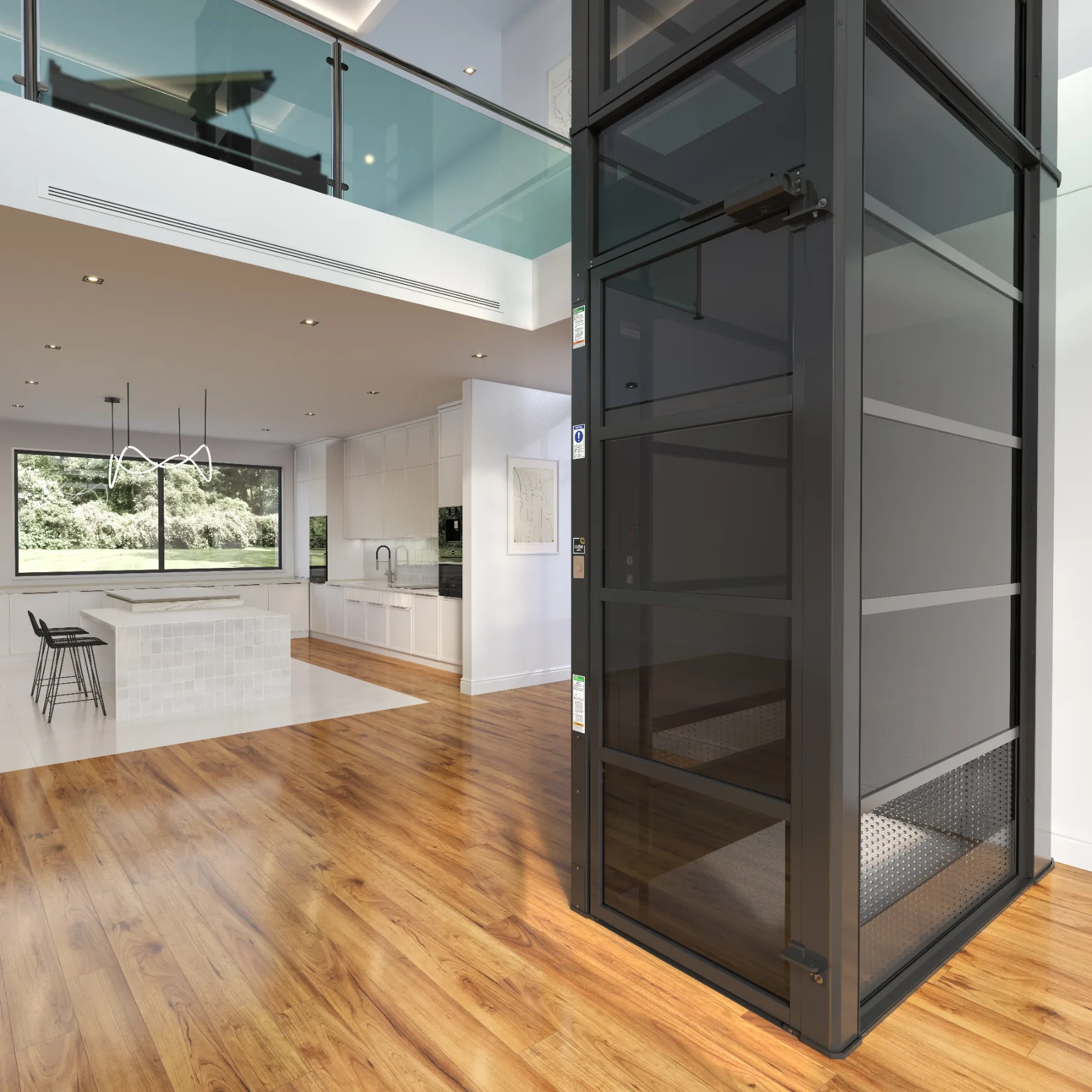
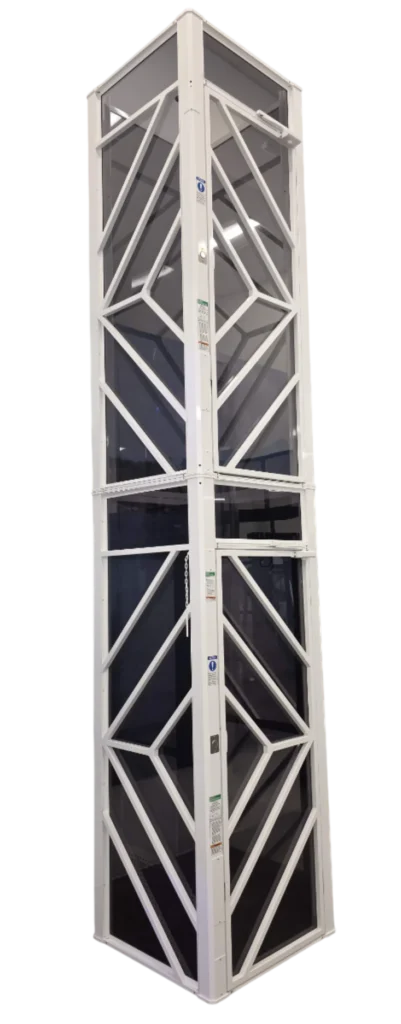
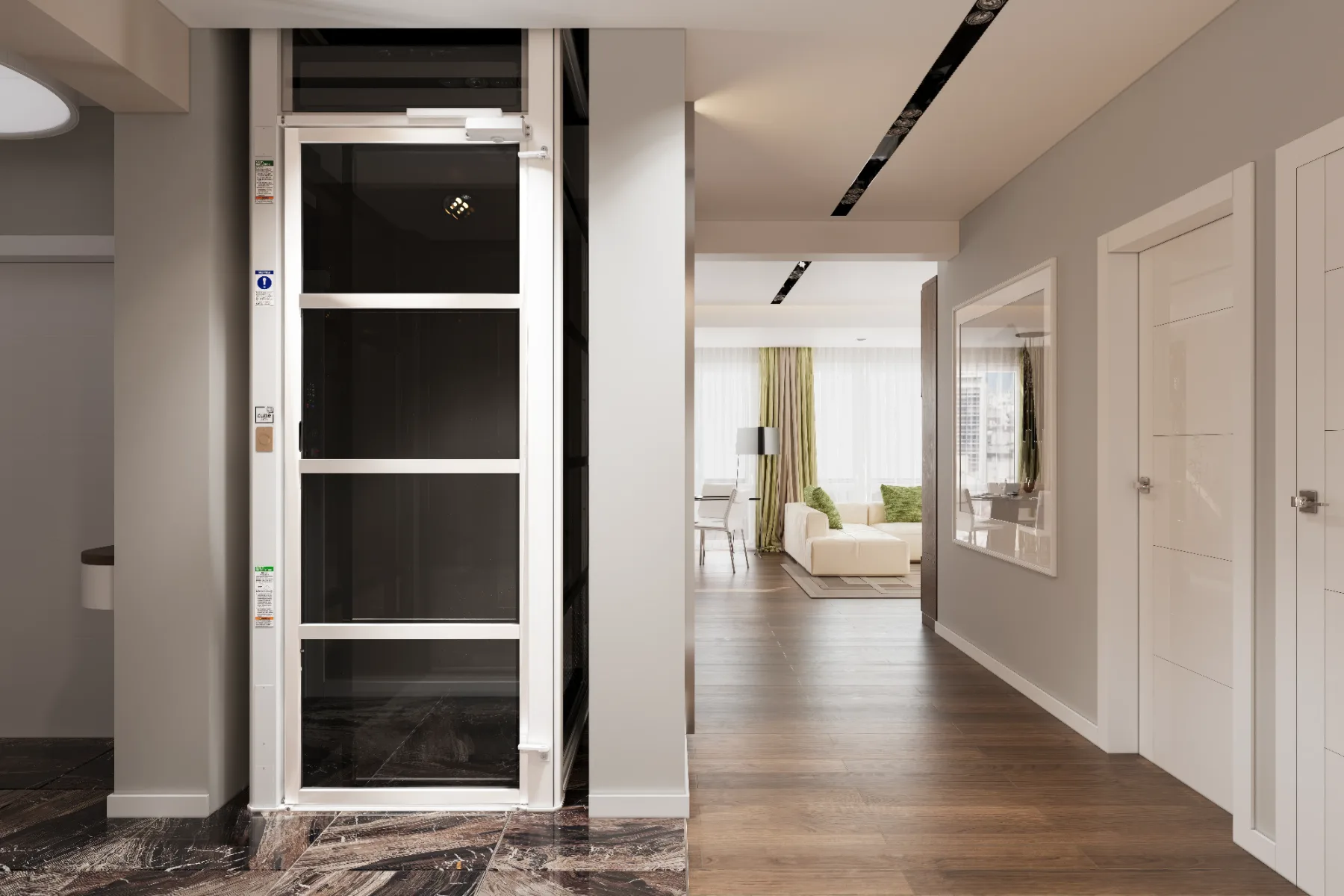
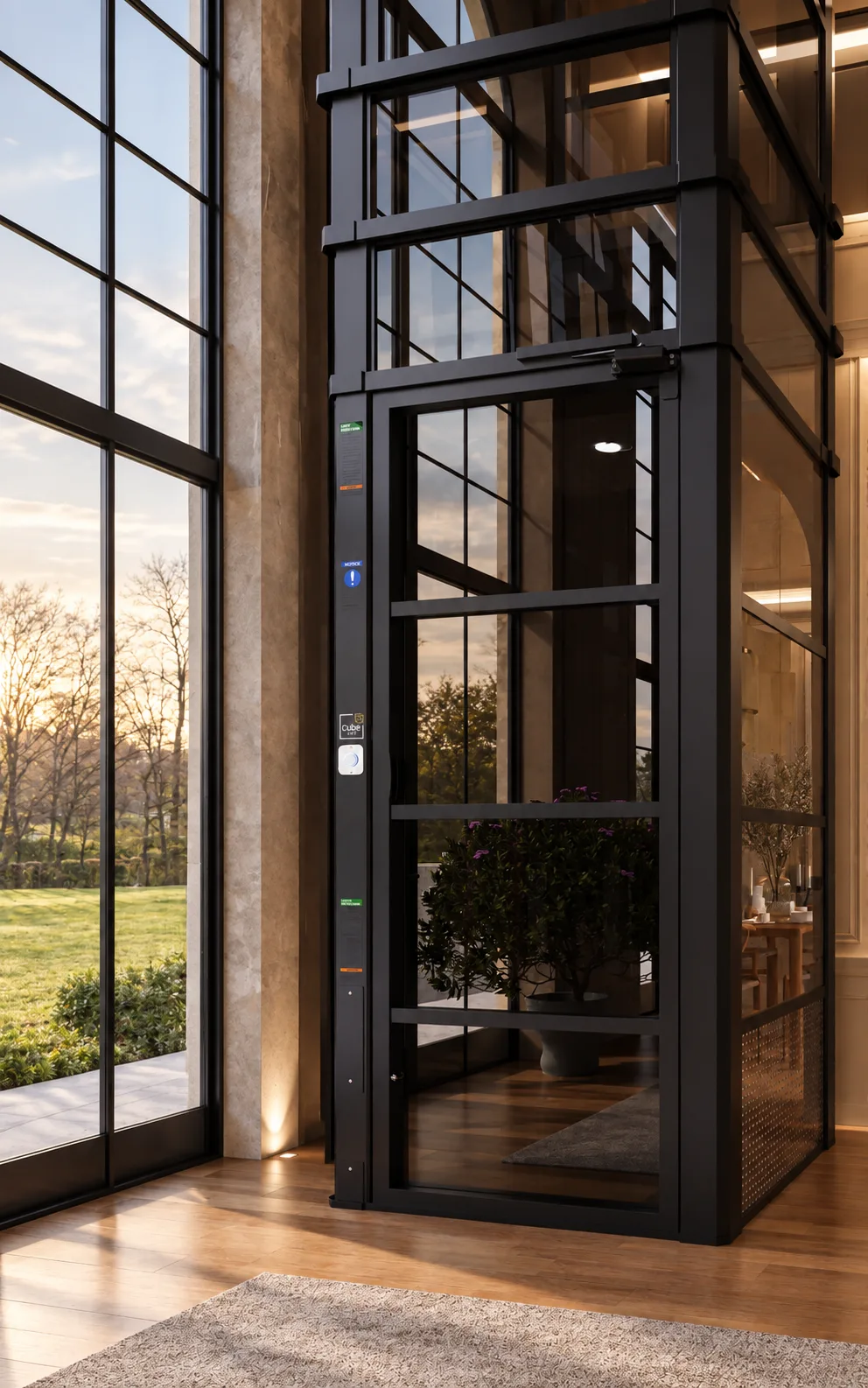
Cube Lifts are designed as compact pneumatic elevators for residential use. Because they do not rely on a hydraulic system, traction equipment, or a traditional pulley system, they may be easier to place in an existing home than many traditional elevator systems.
That said, no elevator type is right for every home. Hydraulic or traction elevators may be better for larger elevator cabs, higher capacity needs, or certain accessibility requirements. A professional site evaluation can help homeowners compare options and choose the elevator type that fits the home’s structure, budget, and long-term mobility needs.
Homeowners comparing systems may also want to review Cube Lifts’ guide to pneumatic elevators vs. traditional home elevators.
Elevator Options for an Existing Home
| Elevator Type | How It Works | Existing-Home Considerations | Best Fit |
| Pneumatic vacuum elevator | Uses air pressure to move the elevator cab between floors. | May require less construction than many traditional systems because it does not need a traditional shaft, pit, or separate machine room. | Homeowners with limited space who want minimal disruption and a compact elevator option. |
| Hydraulic elevator | Uses fluid pressure and a piston system to lift and lower the cab. | May require a pit, machine room, and more structural modifications. | Homes with enough space for a larger elevator cab or higher capacity needs. |
| Traction elevator | Uses cables, counterweights, and a drive system to move the cab. | Usually needs more dedicated space and planning for equipment. | Larger homes, custom builds, or projects where a traditional elevator system makes sense. |
| Stair lift | Moves a seated user along a rail attached to the stairs. | Usually easier to add than a full elevator, but it only follows the stair path. | Homeowners who need help using stairs but do not need an elevator cab. |
| Vertical platform lift | Raises a platform over a shorter distance, often near entries or split levels. | Space and installation needs depend on the lift size, location, and accessibility goals. | Homes where wheelchair access is needed over a shorter rise, depending on layout and local requirements. |
Permits and Inspections
Most residential elevator projects require some level of permit, inspection, or local approval. Requirements vary by city, state, and elevator type, so homeowners should confirm what applies before installation begins.
Depending on the project, this may include a building permit, electrical inspection, final safety inspection, or review of local elevator standards. A professional installer can help explain which steps are required for the home and location.
Installation Costs and Construction Timeline
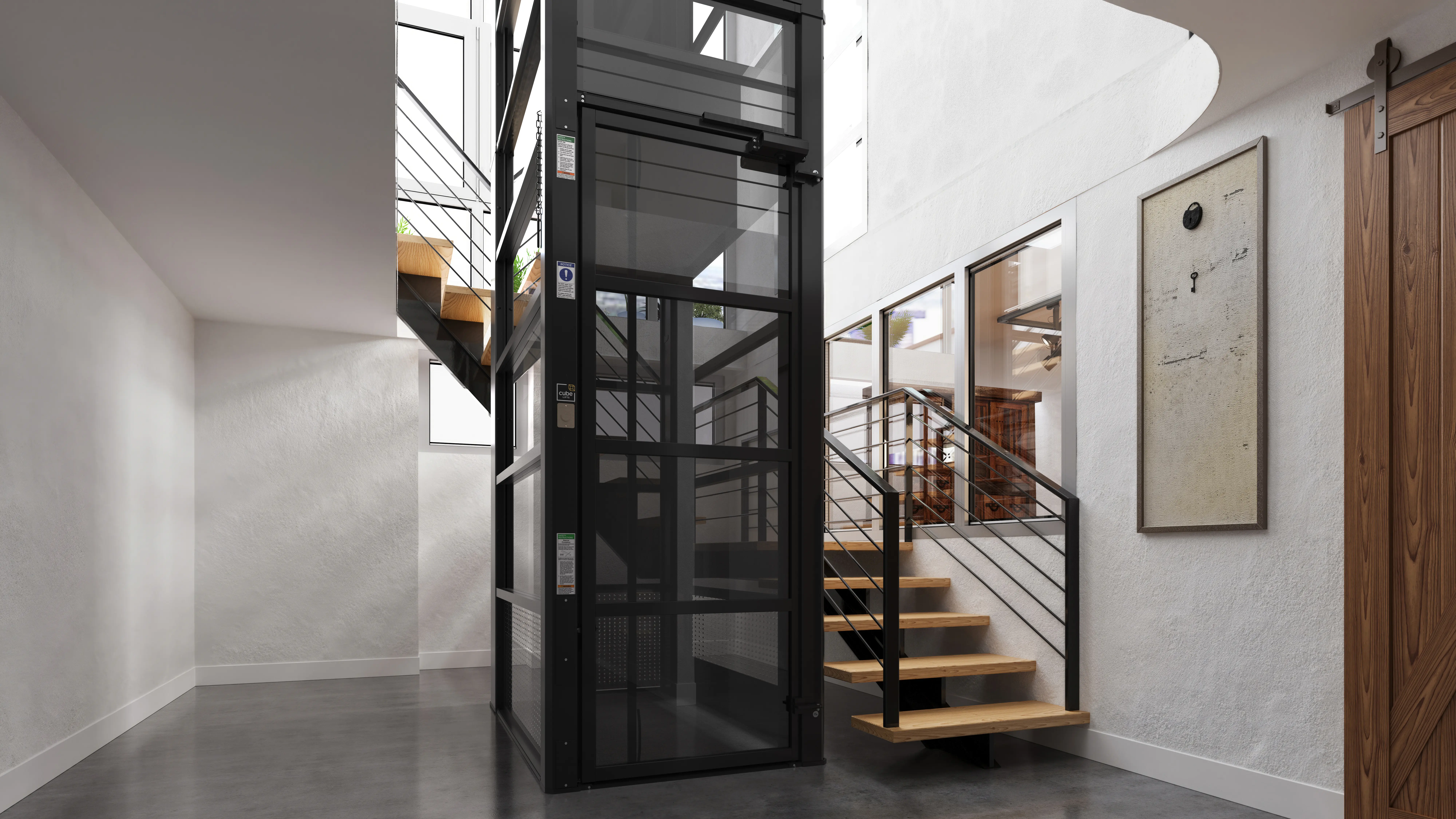
Installation costs can vary widely when adding an elevator to an existing home. The final price depends on the elevator type, number of floors, floor plan, structural modifications, finish options, local permits, and how much construction work is needed.
Traditional elevators may involve higher construction costs if the home needs a new elevator shaft, pit, machine room, or major changes to the structure. Hydraulic elevators and traction elevators may also require more planning because their equipment needs more dedicated space.
A compact pneumatic vacuum elevator may reduce some construction needs because it does not require a traditional shaft, pit, or separate machine room. That does not mean every installation is simple or inexpensive, but it may make the project more realistic for homeowners with limited interior space.
The installation timeline also depends on the home. Some projects move quickly once the site is prepared, while others take longer because of permits, structural work, inspections, or custom placement needs. Before moving forward, ask for a clear estimate that explains equipment costs, installation costs, construction work, and any possible changes that could affect the timeline.
How a Home Elevator Can Support Future Mobility
Adding an elevator to an existing home is often about more than convenience. For many homeowners, it is part of planning ahead. Stairs may be manageable now, but future mobility needs can change because of aging, surgery, injury, or a loved one moving into the home.
Supports Aging in Place
A residential elevator can help homeowners stay in their own home longer by making it easier to move between floors without relying on stairs every day.
Helps Family Members With Limited Mobility
A home elevator can help family members with limited mobility access bedrooms, laundry areas, home offices, or main living spaces more comfortably.
Reduces the Need for a Major Move Later
For homeowners who already love their house, adding an elevator may reduce the need to move later if stairs become harder to manage.
Planning Questions to Ask Before Choosing a Model
Before choosing a model, think about:
- Who will use the elevator
- How often it will be used
- Which floors it needs to serve
- Whether the elevator cab needs to support mobility devices
- Whether wheelchair access is a priority
- What local accessibility requirements may apply
If wheelchair access is important, confirm cab size, door clearance, weight capacity, and local accessibility requirements before moving forward.
Safety Features, Maintenance, and Long-Term Use
Before adding an elevator to an existing home, homeowners should understand the safety features and maintenance needs of the system they choose. A home elevator is meant to make movement easier, but it still needs to be installed, inspected, and maintained properly.
Safety features can vary by elevator type and model. Depending on the system, they may include:
- Door interlocks
- Emergency stop controls
- Backup power options
- Controlled descent
- Alarms or communication systems
- Other protective features required by local elevator standards
Maintenance is also part of long-term ownership. Hydraulic elevators, traction elevators, and pneumatic vacuum elevators may all have different service needs. Before choosing a model, homeowners should ask:
- How often should the elevator be inspected?
- What parts need routine service?
- What warning signs should be watched over time?
- What maintenance costs should be expected?
- Are there manufacturer guidelines or local requirements to follow?
Thinking about maintenance early can help homeowners avoid surprises later. It also gives a clearer picture of the full cost of ownership, not just the installation costs.
FAQs About Adding an Elevator to an Existing Home
Can you add an elevator to an existing home?
Yes, adding an elevator to an existing home is possible in many houses. The right option depends on the home’s floor plan, available space, number of floors, structural conditions, and local installation requirements.
How much space do you need for a home elevator?
The amount of space depends on the elevator type. Traditional elevators may need an elevator shaft, pit, machine room, or dedicated space. A compact pneumatic vacuum elevator may require less interior space, but a professional site evaluation is needed to confirm the best location.
How much does it cost to add an elevator to an existing home?
The cost depends on the elevator type, number of floors, floor plan, construction work, permits, finish options, and structural modifications. A professional estimate should separate equipment costs, installation costs, and any construction costs tied to the home’s layout.
What is the best elevator type for an existing home?
The best elevator type depends on the house. Pneumatic vacuum elevators can be a good fit for homes with limited space or fewer structural changes. Hydraulic elevators or traction elevators may be better for larger elevator cabs, higher capacity needs, or specific accessibility requirements.
Where is the best location to install a home elevator?
The best location is usually where the elevator can connect the needed floors without disrupting the home’s floor plan. Common options include space near stairs, an open corner, unused closet space, a central hallway, or an exterior wall. The ideal location depends on available space, access to power, and safe entry and exit at each level.
Does adding an elevator require major construction?
Not always. Some traditional elevators may require major construction, including a shaft, pit, or machine room. Compact pneumatic elevators may involve fewer structural modifications, depending on the home’s current layout and installation requirements.
Can a home elevator help with future mobility needs?
Yes. A home elevator can support future mobility by making it easier to move between floors as needs change. It may help homeowners age in place, support loved ones with limited mobility, or reduce daily reliance on stairs.
Do home elevators need regular maintenance?
Yes. Any residential elevator should be maintained according to the model, usage, manufacturer guidelines, and local requirements. Regular maintenance can help support safety, reliable operation, and long-term performance.
Conclusion: Is a Home Elevator Right for Your Existing House?
Adding an elevator to an existing home can be a practical way to improve access between floors, support future mobility, and make daily life easier in a multi-level house.
The right solution depends on your floor plan, available space, budget, installation process, and long-term needs. For some homeowners, a compact pneumatic vacuum elevator may be a strong fit because it can reduce the need for a traditional shaft, pit, or machine room. For others, hydraulic elevators or traction elevators may make more sense based on cab size, capacity, or accessibility needs.
Before making a decision, schedule a professional site evaluation. A Cube Lifts specialist can review your current layout, explain installation options, and help determine whether a Cube Lift is the right fit for your home.
Ready to explore your options? Contact Cube Lifts today to request a free quote or speak with a home elevator specialist.