
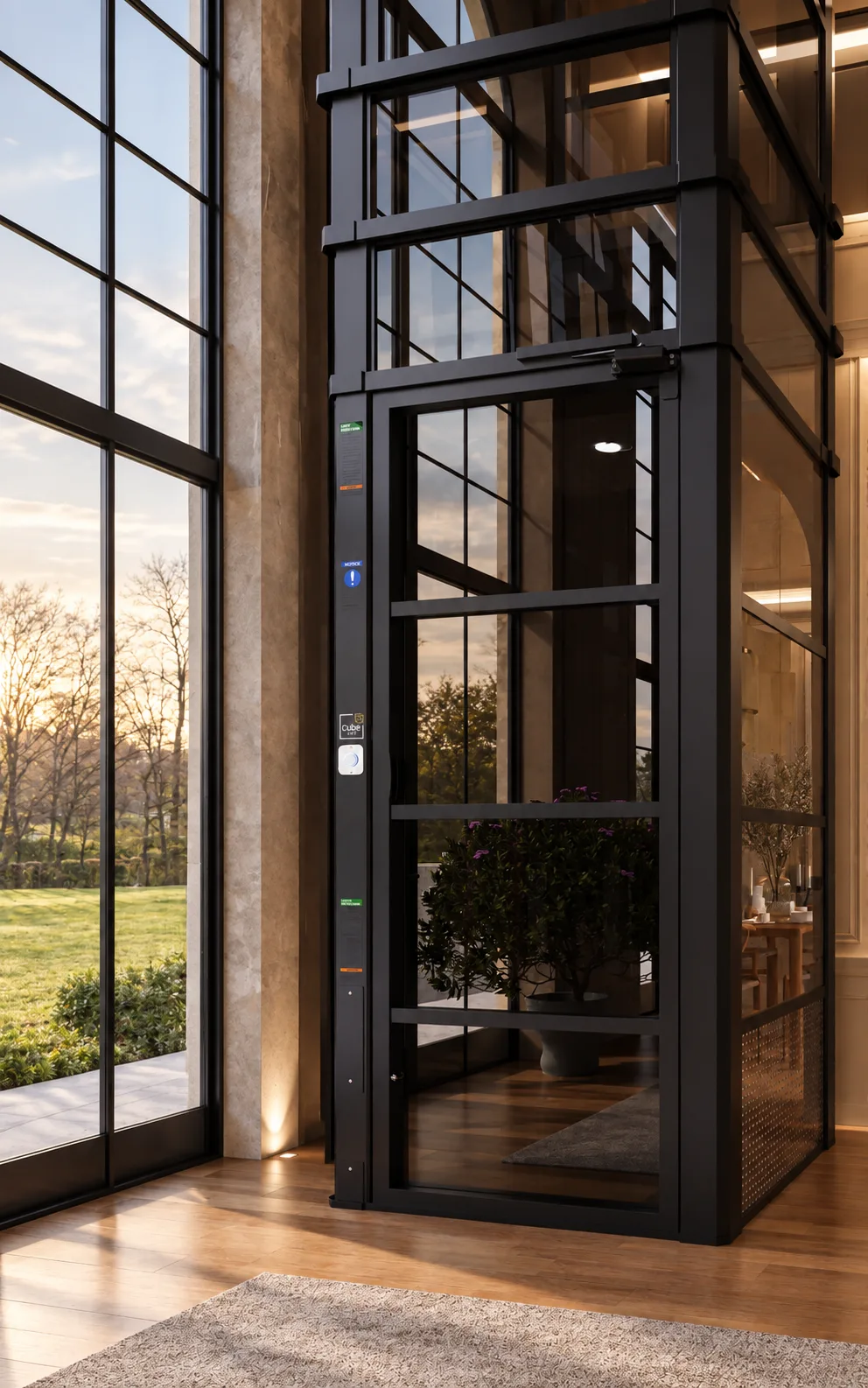

Adding a residential elevator to your home is no longer just a luxury reserved for high-end properties.
Today, it’s a practical, forward-thinking upgrade that enhances accessibility, simplifies everyday living, and can even increase your home’s overall value.
Maybe you’re future-proofing your home, improving mobility, or simply enhancing your lifestyle. Installing an elevator is a smart investment that blends functionality with style.
At Cube Lifts, we specialize in residential elevator solutions that are sleek, space-efficient, and tailored to modern living.
In this article, we’ll walk you through everything you need to know about the installation process, elevator types, key considerations, and common FAQs to help you plan your project with confidence.
Step-by-Step Process for Installing a Home Elevator
1. Assess Your Space and Plan the Layout
Every great installation starts with a solid plan. Begin by evaluating your home’s layout to determine where the elevator will fit best.
This involves checking floor plans, ceiling heights, structural elements, and traffic flow. The goal is to place the elevator in a location that enhances your home’s functionality without disrupting its aesthetic.
Working with an experienced contractor or elevator specialist can help you map out the ideal position and shaft size, while also recommending the right elevator type based on your home’s architecture.
2. Choose the Right Type of Residential Elevator
There are several elevator types to choose from, each with its own space requirements, installation needs, and price range:
- Hydraulic Elevators: Known for smooth, quiet rides and high weight capacity. These require a machine room and are better suited for larger homes.
- Traction Elevators: Use pulleys and counterweights for efficient operation. Available with or without a machine room, making them great for multi-story homes.
- Pneumatic (Vacuum) Elevators: Compact, modern, and ideal for retrofitting existing homes. They don’t require a pit or machine room and offer quick, mess-free installation.
Your choice will depend on your available space, design goals, and performance expectations.
3. Design and Personalize Your Elevator
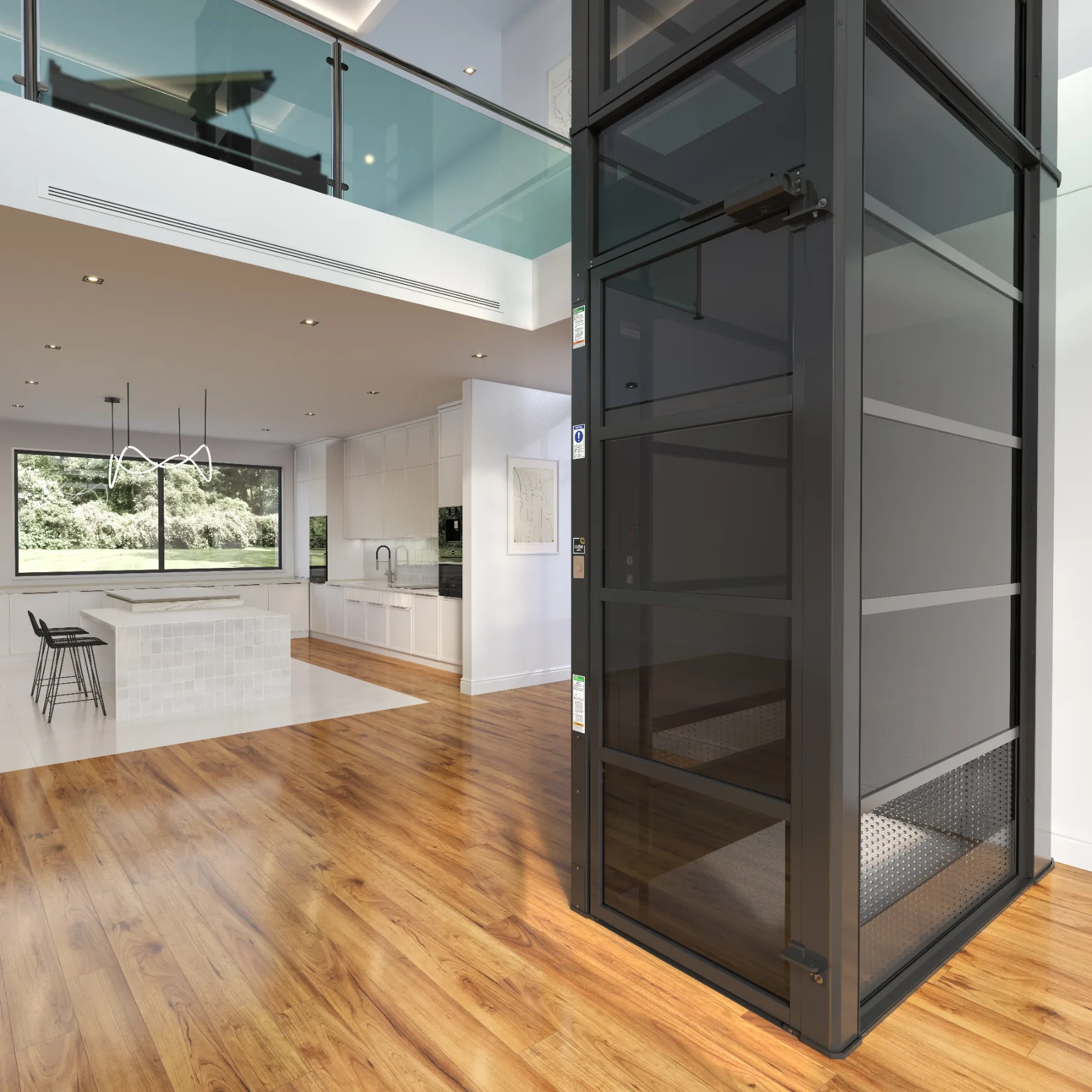
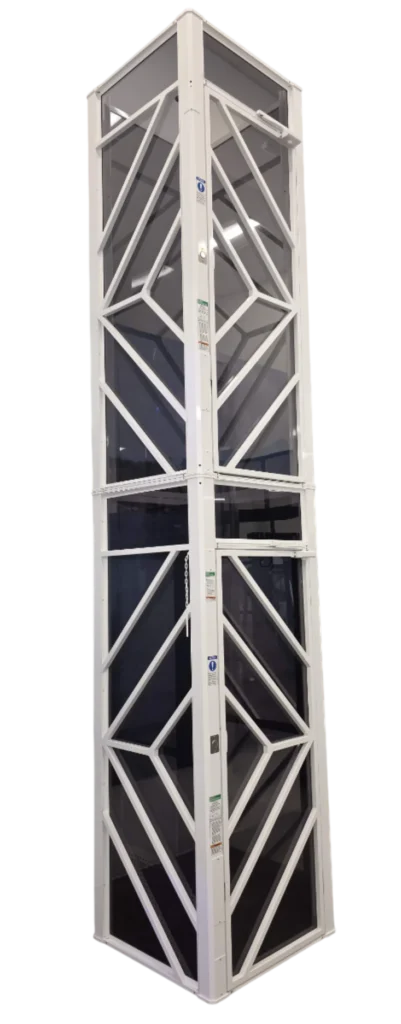
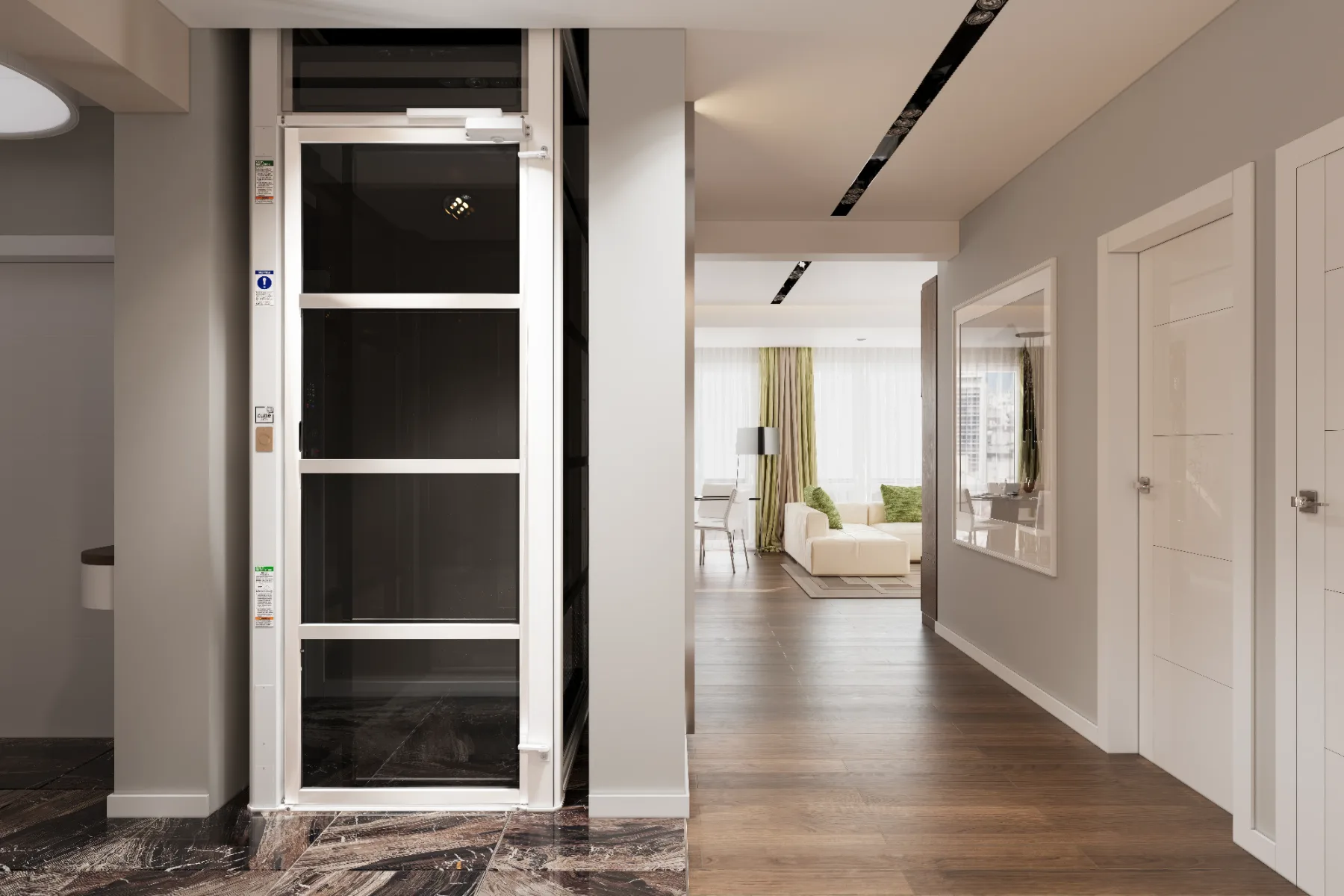
A residential elevator can be both a functional tool and a beautiful design feature. Customize your cab with finishes like glass panels, metal accents, custom flooring, ambient lighting, or sleek control panels. You can also choose between swing or sliding doors to suit your home’s style.
Exterior design elements—such as shaft enclosures and door placement—can be coordinated to match your interior architecture, ensuring the elevator feels like a natural part of your home.
4. Obtain Permits and Meet Code Requirements
Local building codes and safety regulations must be followed when installing a home elevator. This typically includes obtaining permits for structural changes, electrical updates, and elevator installation.
A licensed professional will ensure your elevator meets all requirements for safety features, load capacity, accessibility, and fire compliance.
Following the correct procedures protects your investment and avoids costly issues down the road—especially if you plan to sell your home.
What to Consider Before Installing an Elevator
Budgeting for the Project
Your budget will influence every decision—from elevator type to customization and installation. Costs vary depending on the complexity of the installation, the size of your home, required structural changes, and aesthetic upgrades.
For example, hydraulic elevators tend to cost more due to additional equipment, while pneumatic elevators are often more affordable and faster to install.
Be sure to account for long-term costs like maintenance, inspections, and repairs when planning your budget.
Space Requirements
Different elevators require different amounts of space. Traditional systems like hydraulic or traction elevators need a hoistway and often a machine room, while pneumatic elevators offer more flexibility and are ideal for tight footprints.
A professional assessment will help you understand what’s possible within your existing layout.
Energy Efficiency
Homeowners looking to reduce energy costs should consider how efficiently an elevator operates.
Pneumatic and traction elevators typically use less electricity than hydraulic systems, which rely on more power-intensive motors and pumps. Additional features like LED lighting and regenerative drives can further improve your energy efficiency.
Accessibility Needs
If accessibility is a primary concern—whether for aging in place or accommodating mobility aids—choose an elevator that supports wide doors, barrier-free entry, and simple, reachable controls.
Many modern elevators can be outfitted with wheelchair-friendly features and intuitive interfaces to ensure comfort and ease for all users.
Frequently Asked Questions About Residential Elevators
What types of home elevators are available?
Common types include hydraulic, traction, and pneumatic elevators. Each offers distinct advantages depending on your space, design, and performance needs.
Can I install an elevator in an existing home?
Yes, many elevators—especially pneumatic models—are ideal for retrofit projects. Depending on your home’s structure, some modifications may be required.
How much space do I need for a residential elevator?
Space requirements vary. Pneumatic elevators are compact and may need only a small footprint, while traditional systems may require a full shaft and machine room.
How long does installation take?
Most residential elevator installations take 1 to 4 weeks. Timelines vary based on complexity, permitting, and any construction modifications needed.
Are home elevators safe?
Yes. Modern elevators include features like emergency brakes, backup power, non-slip flooring, and automatic doors. Routine maintenance ensures continued safety.
Do I need a permit to install a residential elevator?
Yes. Permits are required to ensure compliance with local building codes. Your installer can help you navigate the permitting process.
How energy-efficient are home elevators?
Pneumatic and traction elevators tend to be more efficient than hydraulic ones. Look for models with LED lighting, low-energy motors, and regenerative systems for optimal performance.
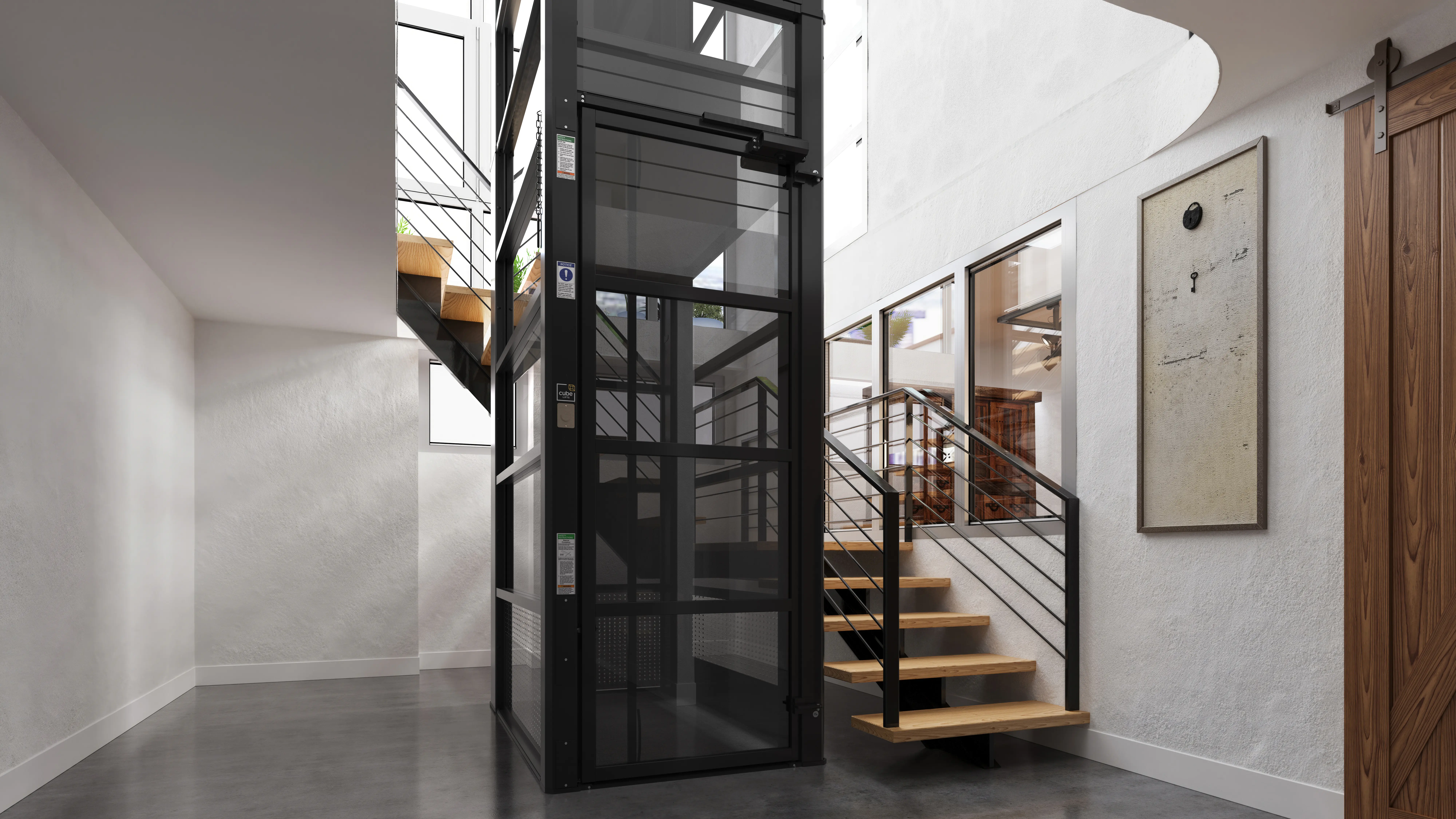
Elevate Your Home with Cube Lifts
Installing a residential elevator is more than just a convenience—it’s an upgrade in comfort, accessibility, and style.
At Cube Lifts, we offer customized solutions that blend seamlessly with your home’s design while delivering safe, smooth, and efficient performance.
Ready to explore your options?
Contact us for a free consultation and discover how Cube Lifts can help you design the perfect elevator for your home.