

Key Takeaways
- Start with bathroom safety modifications like grab bars and non-slip flooring, as 80% of senior falls occur in bathrooms
- Improve lighting throughout your home to at least 50 foot-candles in task areas, since aging eyes need 2-3 times more light
- Install smart home devices like voice assistants and emergency response systems to maintain independence while ensuring safety
- Focus on removing trip hazards and creating clear pathways with at least 36-inch wide doorways for wheelchair accessibility
- Begin with low-cost modifications like lever door handles and motion sensor lights before investing in major renovations
With the aging population growing rapidly and 77% of older adults expressing their desire to remain in their homes as they age, learning to make your home senior friendly has become essential for millions of families. The aging process brings natural changes in mobility, vision, balance, and overall physical capabilities, making standard home environments potentially hazardous for seniors.
Falls remain the leading cause of injury-related deaths among aging adults, with most incidents occurring in familiar home settings. However, strategic home modifications can significantly enhance safety while enabling seniors to maintain their independence and quality of life. This comprehensive guide provides practical solutions for transforming any existing home into a secure, accessible environment that supports aging in place.
From essential safety modifications to innovative solutions using smart home technologies, we’ll explore cost-effective approaches that address the unique mobility challenges and health management needs of older adults. Whether you’re planning proactively for your own future or adapting a home for aging family members, these evidence-based recommendations will help you create a living environment that promotes both safety and independence.
Essential Safety Modifications to Start Today
The foundation of any senior friendly home begins with eliminating common hazards that pose immediate risks to older adults with limited mobility. These modifications require minimal investment but offer significant value in preventing falls and injuries.
Remove or secure area rugs throughout your home, as loose carpeting creates major trip hazards for seniors with mobility issues. If you must keep rugs, secure area rugs with non-slip backing or double-sided carpet tape to prevent sliding. Focus particularly on high-traffic areas where aging adults frequently walk.
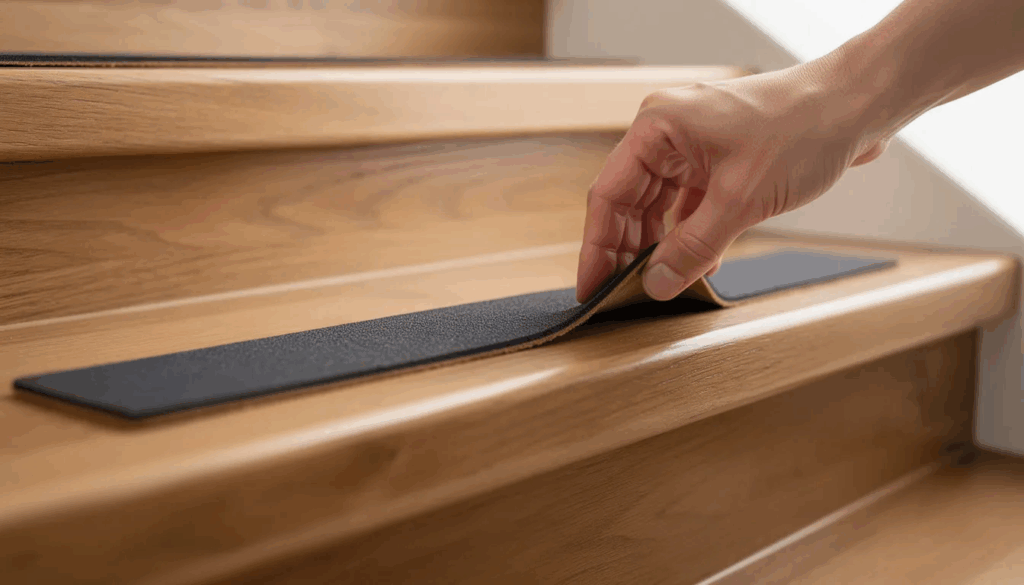
Install non-slip strips on all stairs and apply anti-slip coating to smooth surfaces in bathrooms, kitchens, and entry areas. These simple additions can prevent falls on slippery surfaces that become increasingly dangerous as balance naturally declines with age.
Replace round doorknobs with lever-style handles throughout your home, as these require significantly less grip strength and wrist rotation. This modification is especially beneficial for aging adults with arthritis or reduced hand strength, making doors easier to operate while reducing physical effort.
Add contrasting tape to step edges both indoors and outdoors to improve visibility of elevation changes. Aging eyes often struggle with depth perception, making it difficult to distinguish where steps begin and end, particularly in low-light conditions.
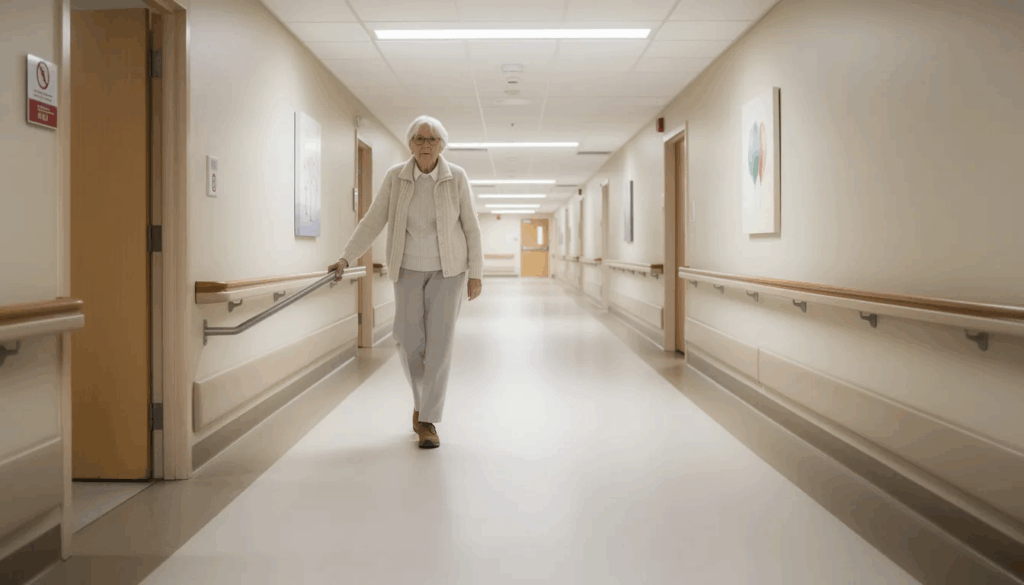
Clear all walkways of furniture, electrical cords, and clutter to create pathways at least 36 inches wide. This width accommodates wheelchairs, walkers, and other mobility aids while providing safe navigation space for seniors age-related balance changes. Pay special attention to routes between bedrooms, bathrooms, and main living areas.
A no step entry at the main entrance is another crucial modification. Eliminating steps at entryways by installing ramps or level thresholds enhances accessibility and safety for seniors with mobility challenges, making it easier for them to enter and exit the home independently.
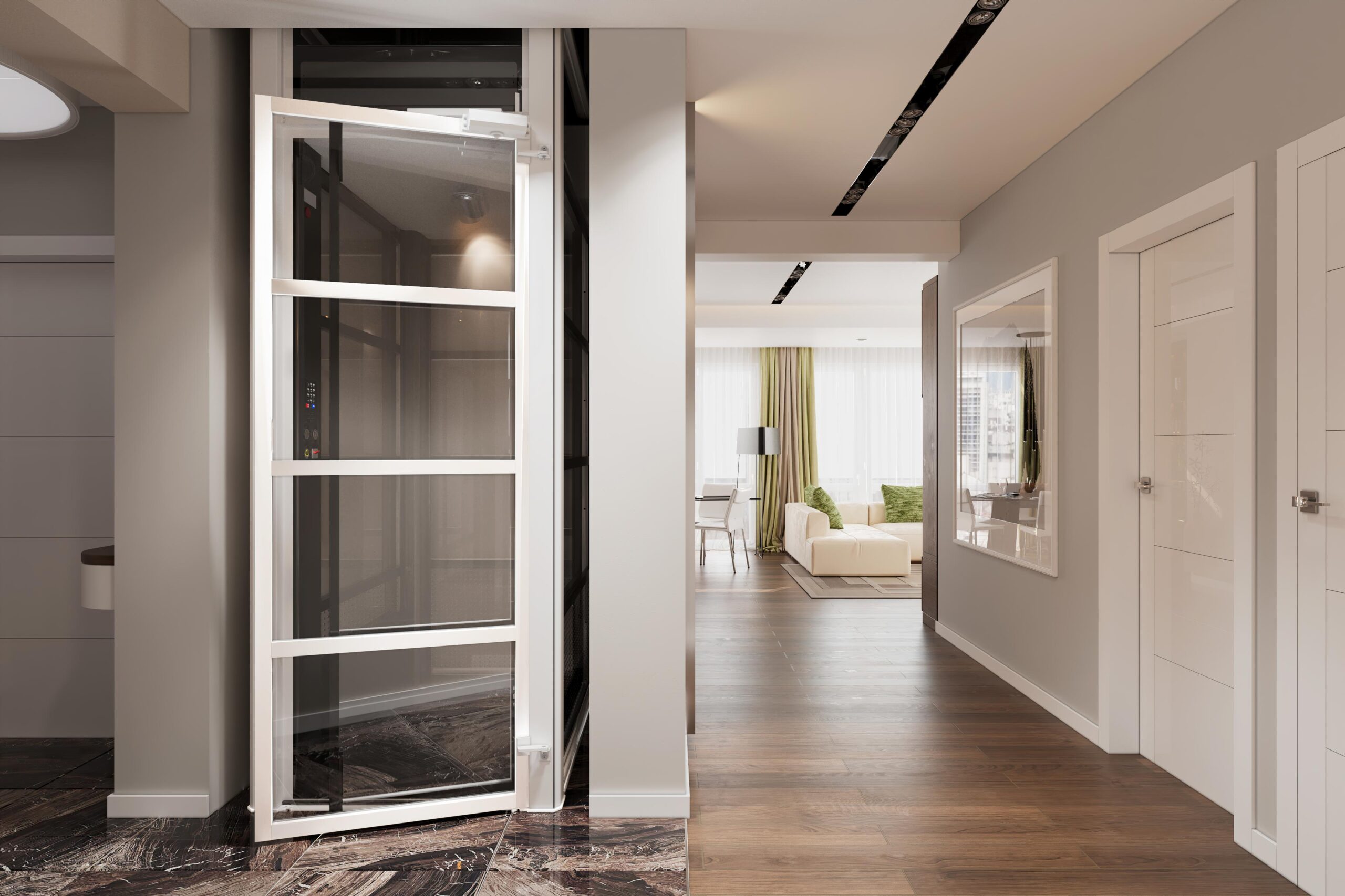
For multi-level homes, install a home elevator as an alternate means of getting up and down between floors. Whether you have limited space or need a wheelchair accessible model, home elevators are vital investments that can ensure homeowners can remain in their homes longterm without worrying about falling due to stairs.
Secure loose handrails and repair any wobbly steps immediately, as aging adults increasingly rely on these support systems for safe movement throughout their homes. Any instability in these essential tools can lead to serious falls and injuries.
Understanding Mental Health
Mental health is a vital component of overall well-being for older adults, especially those choosing to age in place. According to the National Institute of Mental Health, nearly one in five people aged 65 and older experience mental health challenges such as depression or anxiety. Addressing these concerns is essential for maintaining independence and quality of life.
Smart home devices and technologies offer innovative ways to support mental health for seniors. Voice-activated assistants like Google Home and Amazon Alexa can provide daily companionship, offer reminders for medication or appointments, and even connect users to mental health resources or professionals. These smart home devices can be programmed to play calming music, guide users through meditation sessions, or encourage regular social interaction, all of which contribute to better mental health.
Family members and caregivers can also benefit from smart home technologies by remotely monitoring the well-being of their loved ones. For example, changes in sleep patterns or reduced activity levels—often early signs of mental health issues—can be detected through integrated smart home systems. This early detection enables timely support and intervention, helping older adults maintain their independence and emotional well-being. By leveraging these technological advancements, seniors and their families can create a supportive environment that prioritizes mental health while aging in place.
Bathroom Safety Improvements
Bathrooms require the most immediate attention when creating a senior friendly home, as statistics show this space accounts for approximately 80% of all home-related injuries among older adults. The combination of water, hard surfaces, and confined spaces creates multiple hazards that targeted modifications can effectively address.
Essential Grab Bars Installation
Install grab bars rated for at least 300 pounds near toilets, in showers, and beside bathtubs to provide secure support for seniors with mobility challenges. Professional installation ensures these safety features can withstand the physical effort required during transfers and movement.
Mount horizontal grab bars 33-36 inches from floor level for optimal support during sit-to-stand movements. This height accommodates most older adults while providing leverage for safe transfers. Additionally, install grab bars vertically next to toilet areas to assist with sitting and standing movements.
Shower and Bathing Modifications
Install a walk in shower with zero-threshold entry to eliminate step-over barriers that become increasingly difficult for aging adults to navigate safely. This modification prevents falls while enabling seniors to maintain their bathing independence longer.
Add a built-in shower seat or fold-down bench rated for at least 400 pounds, allowing older adults to bathe while seated. A shower chair provides stability and reduces fatigue during bathing, making this essential daily activity safer and more comfortable.
Consider a walk-in tub with door access if full shower renovation isn’t feasible for your existing home. These specialized tubs allow seniors to enter and exit safely without stepping over high tub walls, though they require longer fill and drain times.
Install comfort-height toilets that measure 17-19 inches tall, making transfers easier for aging adults with mobility issues. Standard toilets are often too low, requiring excessive physical effort and potentially unsafe movements for seniors with joint problems or muscle weakness.

Kitchen Accessibility Upgrades
The kitchen serves as a central hub for daily living activities, making accessibility modifications crucial for enabling seniors to maintain independence in food preparation and meal planning. Strategic changes can reduce physical strain while improving safety during cooking tasks.
Lower frequently used items to countertop level or install pull-down shelf systems that bring dishes and cookware within easy reach. This eliminates the need for dangerous reaching or climbing on step stools that can lead to falls among aging adults.
Replace traditional faucets with single-lever or touchless models that require minimal grip strength and wrist rotation. These modifications significantly benefit seniors with arthritis or limited hand mobility, making basic kitchen tasks more manageable and reducing physical effort.
Install under-cabinet LED lighting to eliminate shadows on work surfaces, as aging eyes require significantly more illumination for safe food preparation. Proper lighting becomes critical when aging adults use sharp knives or operate major appliances.
Add soft-close cabinet doors and drawer slides to prevent finger injuries and reduce the force required to operate storage areas. This feature particularly benefits seniors with reduced strength or coordination who might otherwise struggle with standard cabinet hardware.
Consider induction cooktops that automatically shut off and stay cooler to touch, providing enhanced safety for aging adults who may forget to turn off burners or accidentally touch hot surfaces. These innovative solutions significantly reduce burn and fire risks in senior living environments.
Create at least one 30-inch wide clear space under sinks to accommodate wheelchairs and provide comfortable seating areas for food preparation tasks. This universal design principle ensures the kitchen remains functional even as mobility needs change over time.
Bedroom Comfort Enhancements
Creating a safe and comfortable bedroom is essential for older adults who wish to age in place with confidence. Start by installing grab bars near the bed to provide extra support during transfers and help prevent falls, especially for those with limited mobility. If the bedroom is adjacent to a bathroom, consider adding a walk in shower or a shower chair to enhance safety and make daily routines easier.
Smart home devices can significantly enhance bedroom comfort and safety. Smart bulbs and thermostats, easily controlled through smartphone apps, allow seniors to adjust lighting and temperature without leaving the bed or exerting unnecessary physical effort. This not only increases convenience but also supports energy efficiency and personal comfort. Smart pill dispensers can also be placed in the bedroom to provide automated medication reminders and dose dispensing, helping seniors adhere to their medication schedules and reducing the risk of missed doses.
For homes with bedrooms on upper floors, installing a home elevator can provide safe and effortless access, reducing the risk of falls on stairs. To further prevent falls, secure area rugs with non-slip backing and opt for non-slip flooring throughout the bedroom. An adjustable bed or a lift chair can offer personalized support, making it easier for older adults to get in and out of bed and find a comfortable sleeping position. Adding a bath chair in the adjoining bathroom can also provide extra stability during bathing routines.
By integrating these smart home solutions and safety features, you can transform the bedroom into a secure and restful space that supports independence and well-being for aging adults.
Lighting and Visibility Enhancements
Proper lighting becomes increasingly critical as aging adults experience natural changes in vision that affect depth perception, contrast sensitivity, and light adaptation. Comprehensive lighting improvements can prevent falls while supporting overall safety and independence.
Indoor Lighting Improvements
Install motion sensor lights in hallways, bathrooms, and stairways to provide automatic illumination during nighttime navigation. These smart devices eliminate the need to fumble for light switch controls in the dark, significantly reducing fall risks during trips to the bathroom or between rooms.
Increase overall lighting levels to provide 50-100 foot-candles in task areas like kitchens and reading spaces, as aging eyes require 2-3 times more light than younger adults for similar visual acuity. This dramatic increase in lighting needs often surprises family members planning modifications for aging parents.
Add under-cabinet lighting in kitchens and inside closets to eliminate shadows and improve visibility of stored items. LED strip lighting provides even illumination without heat buildup, making these installations safe and energy-efficient for continuous use.
Replace all light switches with rocker-style switches that require less precise finger movement and can be operated with elbows or hands holding items. This simple change improves accessibility for seniors with limited dexterity or mobility in their hands.
Stairway and Pathway Lighting
Install lights at both the top and bottom of staircases with three-way switches, ensuring safe navigation regardless of direction of travel. Proper stair lighting is essential for preventing falls, which become increasingly dangerous as aging adults experience changes in balance and depth perception.
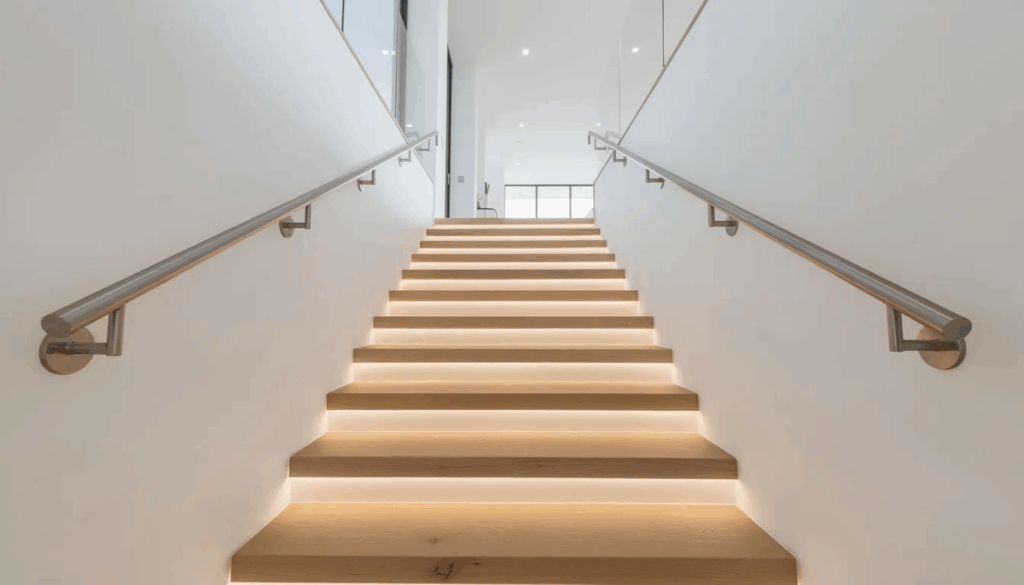
Add LED strip lighting along stair edges to provide clear definition of each step, particularly important for seniors whose aging eyes struggle to distinguish elevation changes. This modification dramatically improves stairway safety during both daytime and evening use.
Ensure outdoor spaces have motion-sensor lighting every 8-10 feet along pathways to provide continuous illumination for safe navigation. Adequate outdoor lighting supports social engagement by making it safer for aging adults to visit with neighbors or attend evening activities.
Use warm white light bulbs (2700K-3000K) to reduce glare while maintaining adequate brightness levels. Harsh, cool lighting can create uncomfortable glare that actually impairs vision for aging adults, making warmer tones a better choice for senior-friendly environments.
Smart Home Technology Integration
Modern smart home technologies offer innovative solutions for enabling seniors to maintain independence while providing family members peace of mind through remote monitoring capabilities. These systems can significantly enhance safety and health management for aging adults.
Wearable devices like the Apple Watch offer discreet health monitoring, fall detection, and emergency communication features. The Apple Watch can automatically alert emergency services or designated contacts in case of a fall, and its seamless integration with other smart home systems makes it a convenient, non-intrusive assistive technology for seniors.
An emergency contact system can further enhance safety by integrating wearable devices and smart home assistants to facilitate prompt communication with emergency services and family members. These systems often include features such as fall detection, direct calling, GPS location tracking, and compatibility with various smart home devices, ensuring rapid response in urgent situations.
Voice-Activated Assistants
Install Amazon Echo or Google Home devices in main living areas to provide hands-free control over various home systems. Voice control eliminates the need for complex smartphone apps or physical controls that may become difficult for aging adults with limited mobility or vision changes.
Set up voice commands to control lights, thermostats, and smart locks, allowing seniors to adjust their environment without physical movement. This capability proves especially valuable during illness or recovery periods when mobility may be temporarily limited.
Program medication reminders and daily schedule alerts through smart speakers, supporting better health management for aging adults who may struggle with complex medication schedules or memory changes. These systems can provide gentle audio prompts at prescribed times.
Enable emergency calling features through devices like Alexa’s Emergency Assist service, which can connect aging adults with emergency responders when activated by voice commands. This feature provides an additional layer of security for seniors who may not be able to reach a phone during medical emergencies.
Smart Safety Devices
Install smart locks with keypad entry to eliminate concerns about lost keys, which become increasingly problematic for aging adults with memory changes. Family members can also program temporary access codes for caregivers or emergency responders when needed.
Add video doorbells like Ring or Nest devices to enable seniors to screen visitors safely from inside their homes. Doorbell cameras provide security while allowing aging adults to communicate with delivery personnel or guests without opening doors to strangers.
Place smart water leak detectors near water heaters, washing machines, and sinks to prevent costly water damage and potential safety hazards. These sensors send smartphone alerts to aging adults and their family members, enabling quick response to household emergencies.
Install smart smoke and carbon monoxide detectors that send alerts to smartphones even when aging adults are away from home. This technology ensures that emergency contacts receive immediate notification of dangerous conditions, even if the senior cannot respond to traditional alarms.
Mobility and Accessibility Features
Creating barrier-free movement throughout the home becomes essential as aging adults experience changes in strength, balance, and mobility. Strategic modifications can maintain accessibility while preserving the home’s aesthetic appeal and functionality.
Widen doorways to a minimum 36 inches for walker access and wheelchair navigation, though 42 inches provides more comfortable passage for aging adults using mobility aids. This modification may require professional renovation but significantly improves long-term accessibility as needs change.
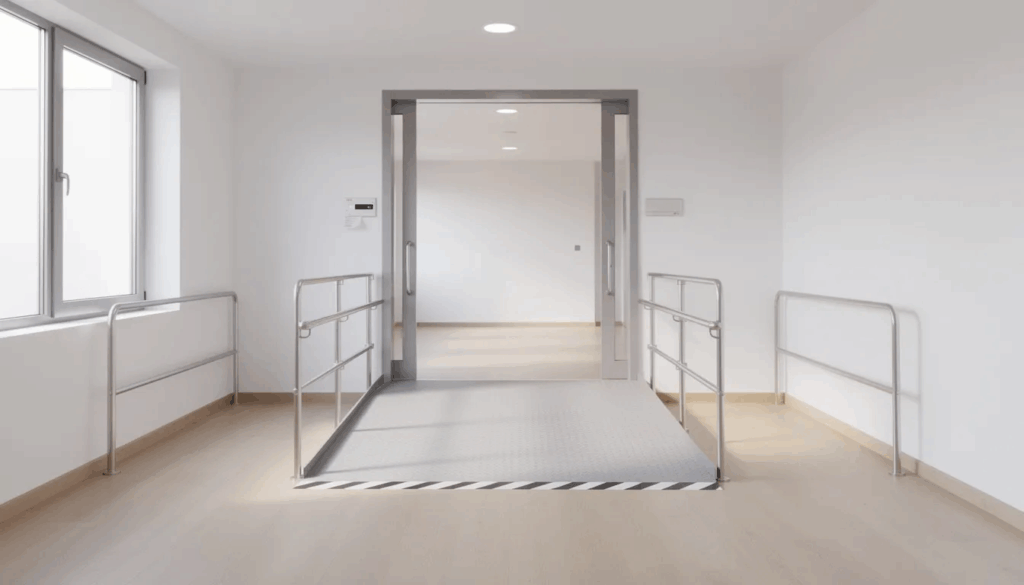
Install ramps with 1:12 slope ratios (1 inch of rise per 12 inches of length) for safe step access, ensuring that aging adults can enter and exit their homes safely regardless of mobility changes. These modifications are essential for enabling users with mobility challenges to independently access different areas of the home, including outdoor spaces and raised platforms. Properly designed ramps include handrails and non-slip surfaces for maximum safety.
Add handrails on both sides of all staircases, extending them 12 inches beyond the top and bottom steps to provide support during the most dangerous moments of stair navigation. These extensions give aging adults secure gripping points before and after step transitions.
Consider electric stair lift installation for multi-story homes when stairs become challenging for seniors with mobility issues. Alternatively, explore cost-effective home elevator solutions to enhance accessibility and independence. With a variety of home elevator models and technologies to choose from, installing a home lift is more accessible than ever before. Modern stair lifts fold compactly when not in use and can be installed with minimal structural changes to most existing homes.
Install comfort-height furniture and adjustable bed systems that reduce the physical effort required for sitting and standing movements. An adjustable bed can provide positioning support for aging adults with chronic conditions while improving sleep quality and overall comfort.
Emergency Preparedness Systems
Comprehensive emergency preparedness becomes increasingly important for aging adults who may need additional time or assistance during crisis situations. Comprehensive emergency preparedness systems are vital for protecting senior health by ensuring timely response and support during crises. Modern technology offers sophisticated monitoring and response systems that can literally save lives.
Install medical alert systems with fall detection capabilities like Life Alert or Philips GoSafe devices that can detect falls and automatically contact emergency services. These wearable devices provide 24/7 monitoring and can summon help even when aging adults cannot communicate their need for assistance.
Set up emergency contact systems programmed into smart devices and phones, ensuring that family members and caregivers can be reached quickly during medical emergencies. Include multiple contacts and consider services that can simultaneously notify several people during crisis situations.
Place emergency flashlights with backup batteries in each room, as power outages can create particularly dangerous situations for aging adults with limited mobility. Battery-powered lighting ensures safe navigation during emergencies and supports independence during utility disruptions.
Install whole-house surge protectors to protect essential medical equipment during power fluctuations that could disable critical health monitoring devices or medical equipment. This protection becomes essential for seniors who depend on electric-powered mobility aids or health monitoring systems.
Create emergency supply kits containing medications, water, and non-perishable food sufficient for 72 hours, as aging adults may need more time to evacuate or receive assistance during natural disasters. Include copies of important documents and ensure family members know the location of these supplies.
Ensure all family members and caregivers have access codes for smart locks and security systems, enabling quick entry during emergencies when aging adults cannot reach the door. Program multiple access methods to prevent lockouts during crisis situations.
Outdoor Safety Considerations
Outdoor spaces require specific attention to ensure aging adults can safely access and enjoy their property’s exterior areas. Proper modifications support social engagement and physical activity while preventing weather-related accidents and falls.
Install motion sensor lights along all walkways and entry points to provide automatic illumination during evening hours. Solar-powered options offer easy installation while ensuring reliable operation even during power outages that might affect aging adults’ ability to navigate their property safely.
Add handrails to steps and slopes leading to outdoor areas, extending the safety principles used inside the home to exterior spaces. Weather-resistant materials ensure long-term durability while providing essential support for aging adults with balance concerns.
Apply anti-slip coating to outdoor steps and deck surfaces to prevent falls during wet weather conditions. These treatments maintain their effectiveness through multiple seasons while providing the extra traction that becomes essential for seniors with mobility challenges.
Ensure pathway surfaces remain level and free of cracks or uneven areas that can create trip hazards for aging adults using mobility aids. Regular maintenance prevents small problems from becoming major safety concerns that could lead to serious injuries.
Consider automatic irrigation systems to reduce the manual yard maintenance required from aging adults while keeping landscaping healthy and attractive. Smart irrigation controllers can manage watering schedules through smartphone apps, reducing the physical effort required for property maintenance.
Cost-Effective Quick Fixes
Many effective safety modifications require minimal investment while providing immediate improvements in home safety for aging adults. These solutions offer excellent starting points for families beginning to create senior-friendly environments.
Add foam padding to sharp furniture corners and cabinet edges for $10-20 per room, providing protection against injuries from falls or navigation errors. This simple addition proves particularly valuable for aging adults taking medications that might affect balance or coordination.
Install battery-operated stick-on LED lights in dark closets and cabinets for $15-25, improving visibility without requiring electrical work. These wireless solutions provide immediate lighting improvements while remaining easily replaceable as battery technology advances.
Use furniture risers to bring seating to comfortable heights for $20-40 per set, reducing the physical effort required for aging adults to sit and stand safely. Proper furniture height can make the difference between independence and requiring assistance with basic daily activities.
Apply high-contrast tape to step edges and glass doors for $5-15, dramatically improving visibility of potential hazards for aging eyes that struggle with depth perception. This simple modification prevents accidents while requiring no special tools or expertise.
Install toilet seat risers for easier transfers at $30-60, providing immediate improvement in bathroom safety without requiring major renovations. These devices reduce the physical effort required for safe toilet use while maintaining dignity and independence.
Add jar openers and ergonomic kitchen tools for easier food preparation at $25-50, enabling aging adults to maintain nutritional independence despite changes in grip strength or hand mobility. Essential tools support healthy eating habits while preventing frustration with daily cooking tasks.
FAQ
What is the most important modification to make first when preparing a home for aging in place?
Bathroom safety should be the top priority, specifically installing grab bars and non-slip surfaces, as statistics show 80% of senior falls occur in bathrooms. These modifications can prevent serious injuries and maintain independence while being relatively affordable, typically costing $200-800 for professional installation. The combination of water, hard surfaces, and mobility requirements makes bathrooms the most dangerous area for aging adults, but also the space where targeted modifications provide the greatest safety benefits.
How much does it typically cost to make a home senior-friendly?
Basic modifications like grab bars, improved lighting, and lever handles can cost $1,000-3,000, while comprehensive renovations including bathroom remodels and smart home systems can range from $15,000-50,000. Many insurance plans and Medicare may cover some safety modifications, especially when prescribed by occupational therapists. The National Institute on Aging suggests starting with high-impact, low-cost changes and gradually adding more comprehensive modifications as needs evolve, allowing families to spread expenses over time while prioritizing the most critical safety improvements.
Can I make my home senior-friendly if I’m renting rather than owning?
Yes, many modifications are renter-friendly including removable grab bars with suction cups, portable ramps, stick-on LED lights, furniture risers, and smart devices that don’t require permanent installation. Always check with your landlord about temporary safety modifications, as many are willing to accommodate reasonable requests that improve property value. Organizations like Age Safe America and the National Council on Aging provide guidance and resources on modifications that can be implemented without permanent changes to the property structure.
At what age should I start making my home senior-friendly?
Ideally, begin planning in your 50s and implement basic modifications in your early 60s, before mobility or health issues arise. Proactive modifications allow you to age in place gracefully rather than scrambling to make changes after an injury or health event occurs. Early planning also allows for better integration of accessibility features into home design, often making modifications less noticeable while providing the same safety benefits. Most seniors find that gradual changes feel less overwhelming than major renovations undertaken during health crises.
Do smart home devices require technical expertise to set up and maintain?
Modern smart home devices are designed for easy setup, with many featuring simple plug-and-play installation and voice-guided setup processes. However, having a tech-savvy family member or hiring a smart home installer ($100-300) can ensure proper configuration and provide ongoing support for troubleshooting. A reliable wi fi network is essential for smart device functionality, and many aging adults benefit from simplified smartphone apps or voice control interfaces that reduce the learning curve for new technology adoption.
Home Maintenance Tips for Seniors
As people age, maintaining their home’s safety and functionality becomes increasingly important. Regular home maintenance can help prevent accidents, reduce the risk of falls, and enable seniors to live independently for longer. Here are some essential home maintenance tips for seniors:
1. Inspect and Maintain Lighting:Good lighting is crucial for preventing falls and enhancing visibility. Regularly check all light bulbs, especially in hallways, stairways, and bathrooms, and replace any that are dim or burnt out. Consider upgrading to smart bulbs or motion sensor lights, which can be controlled via smartphone apps or voice commands for added convenience and energy efficiency.
2. Test Safety Devices:Ensure that all smoke detectors, carbon monoxide alarms, and smart home security systems are working properly. Replace batteries at least twice a year, and test devices monthly. Smart home technologies can send reminders or alerts to both seniors and family members, ensuring these essential tools are always ready to protect.
3. Check Grab Bars and Handrails:Periodically inspect grab bars, handrails, and other safety features throughout the home. Make sure they are securely anchored and show no signs of looseness or wear. Promptly repair or replace any that are unstable to significantly enhance safety for older adults with limited mobility.
4. Keep Walkways and Entryways Clear:Regularly clear pathways of clutter, loose cords, and debris both inside and outside the home. Secure area rugs and ensure that no step entryways remain unobstructed for easy walker access. This simple routine helps prevent falls and supports safe navigation for seniors aging in place.
5. Schedule Professional Inspections:Arrange for annual inspections of major appliances, heating and cooling systems, and security cameras. Professional maintenance ensures these systems operate safely and efficiently, reducing the risk of breakdowns or hazards that could impact senior health and comfort.
6. Monitor Smart Home Devices and Wi-Fi Network:Smart home devices rely on a stable wi-fi network to function properly. Regularly check your wireless network and update device software as needed. Use smart home technologies to set up maintenance reminders, medication reminders, or even schedule check-ins with emergency contacts.
7. Enlist Family Members or Trusted Helpers:Don’t hesitate to ask family members or caregivers for assistance with more challenging maintenance tasks. Many smartphone apps and smart home systems allow remote control and monitoring, enabling users to support aging adults from afar and ensure a safe, well-maintained environment.
By staying proactive with these home maintenance tips, seniors and their families can significantly enhance safety, support aging in place, and enjoy greater peace of mind throughout the aging process.