
For people with limited mobility, stairs can make everyday routines harder than they need to be. Bedrooms, bathrooms, laundry rooms, and second-floor living spaces may become difficult to access safely and comfortably over time.
A modern home elevator can help make the entire home easier to use, especially for homeowners planning to age in place. The right option depends on your mobility needs, available space, number of floors, and whether wheelchair access is required.
Quick Answer
The Cube is a compact residential elevator for homeowners with limited mobility who want a smooth ride and easier access between floors without a traditional shaft, pit, or machine room.
It is best for riders who can stand or sit inside the cabin and do not require wheelchair access. For wheelchair users, vertical platform lifts or larger wheelchair-accessible elevator models may be a better fit.
Why Accessibility Matters in the Home
Stairs can become a daily challenge for people with limited mobility, balance concerns, joint pain, or age-related mobility changes. Simple routines like reaching a bedroom, bathroom, laundry room, or second-floor living area can become tiring or unsafe when stairs are involved.
A home elevator can help reduce that barrier by creating safer, more comfortable access between levels. For many homeowners with mobility issues, this supports greater independence, aging in place, and the ability to remain in a familiar home longer.
Introducing The Cube Residential Elevator – Built for Real Homes
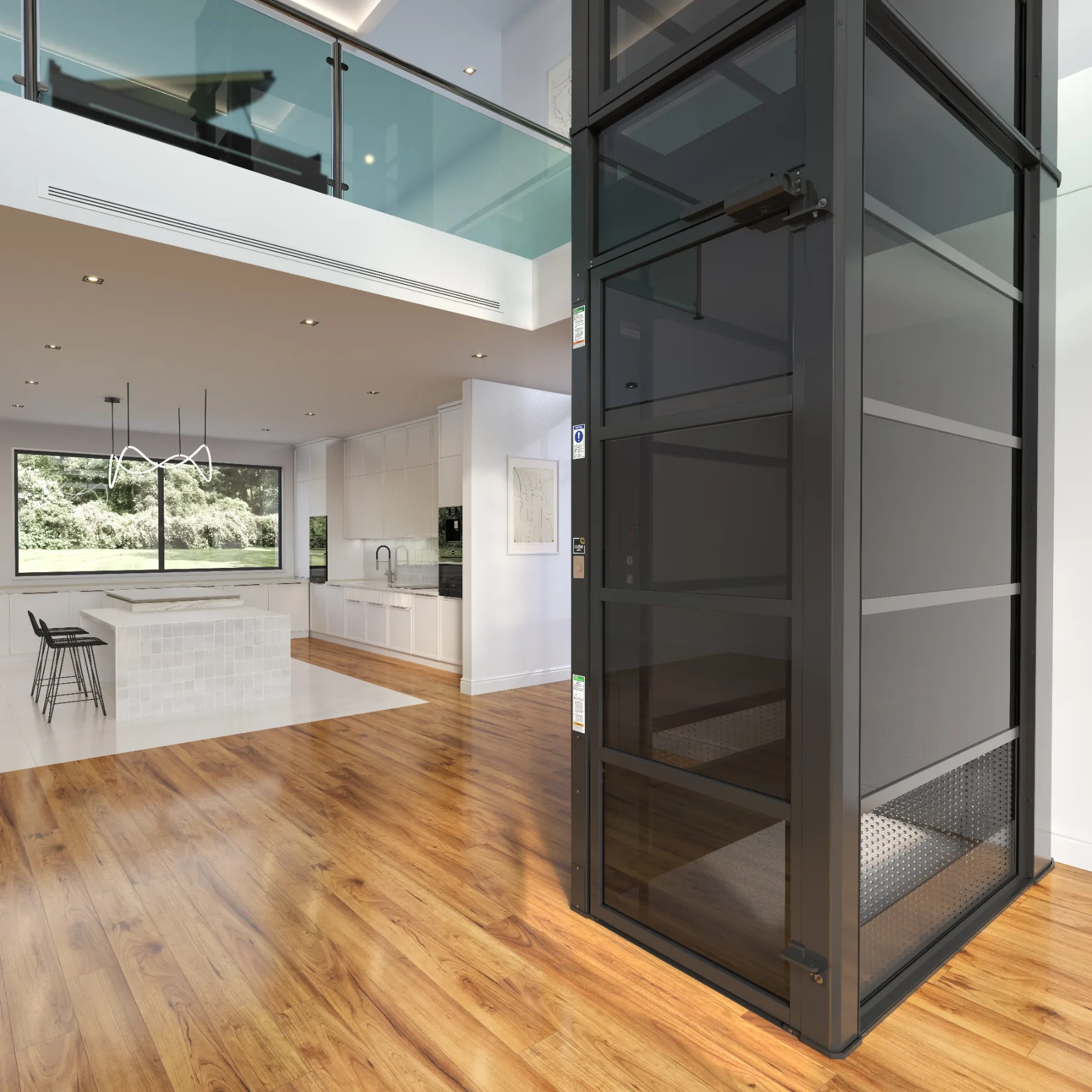
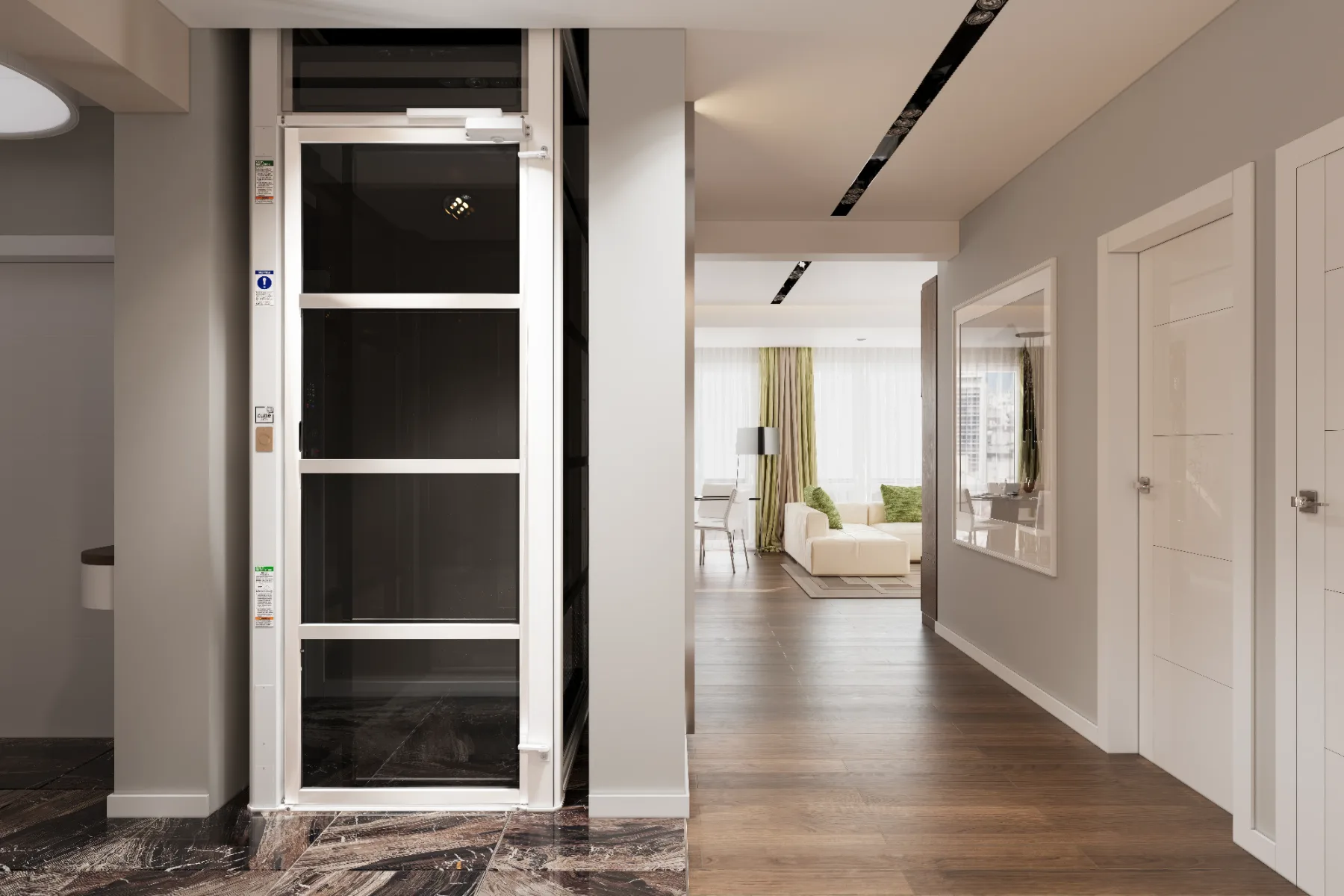
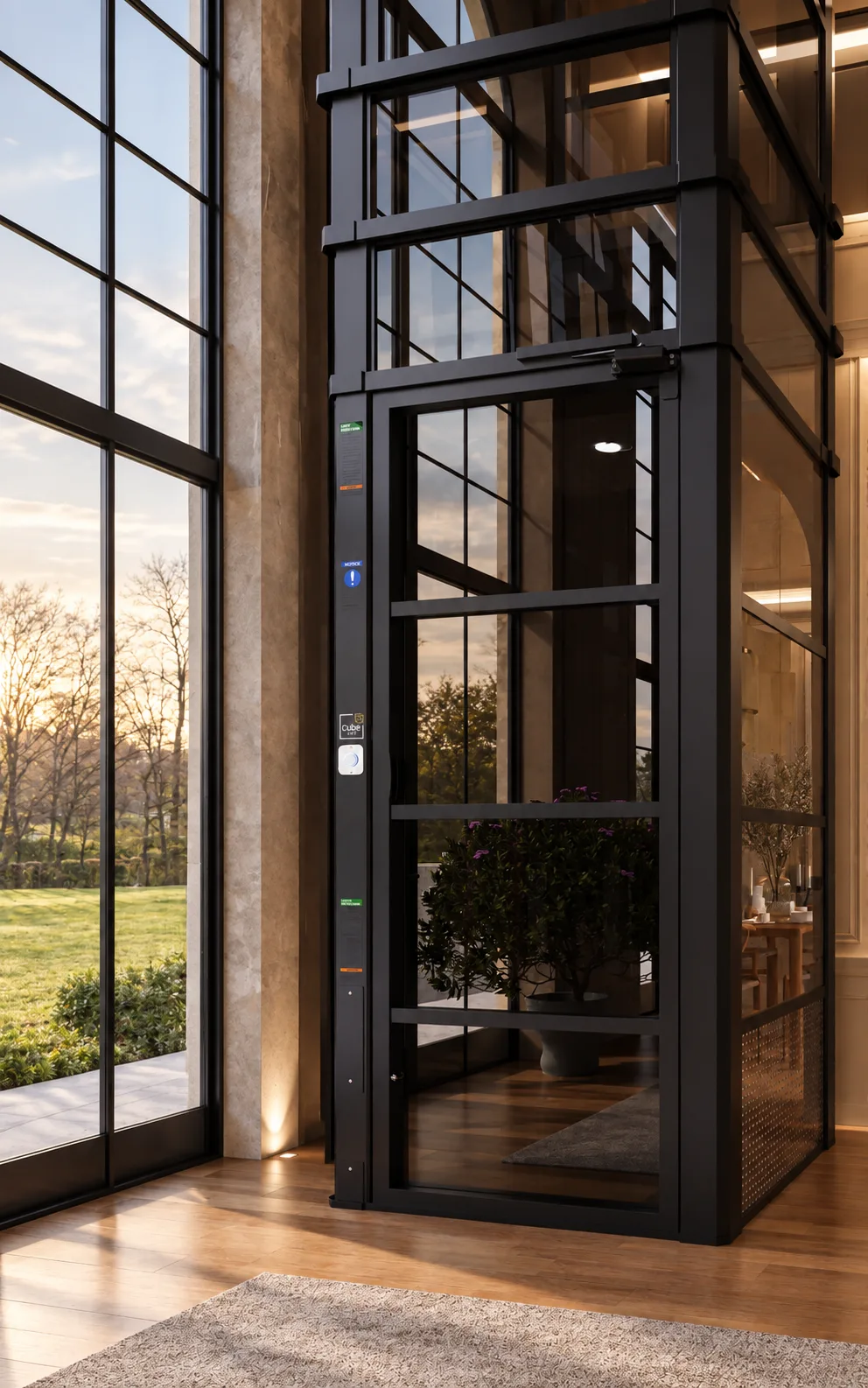
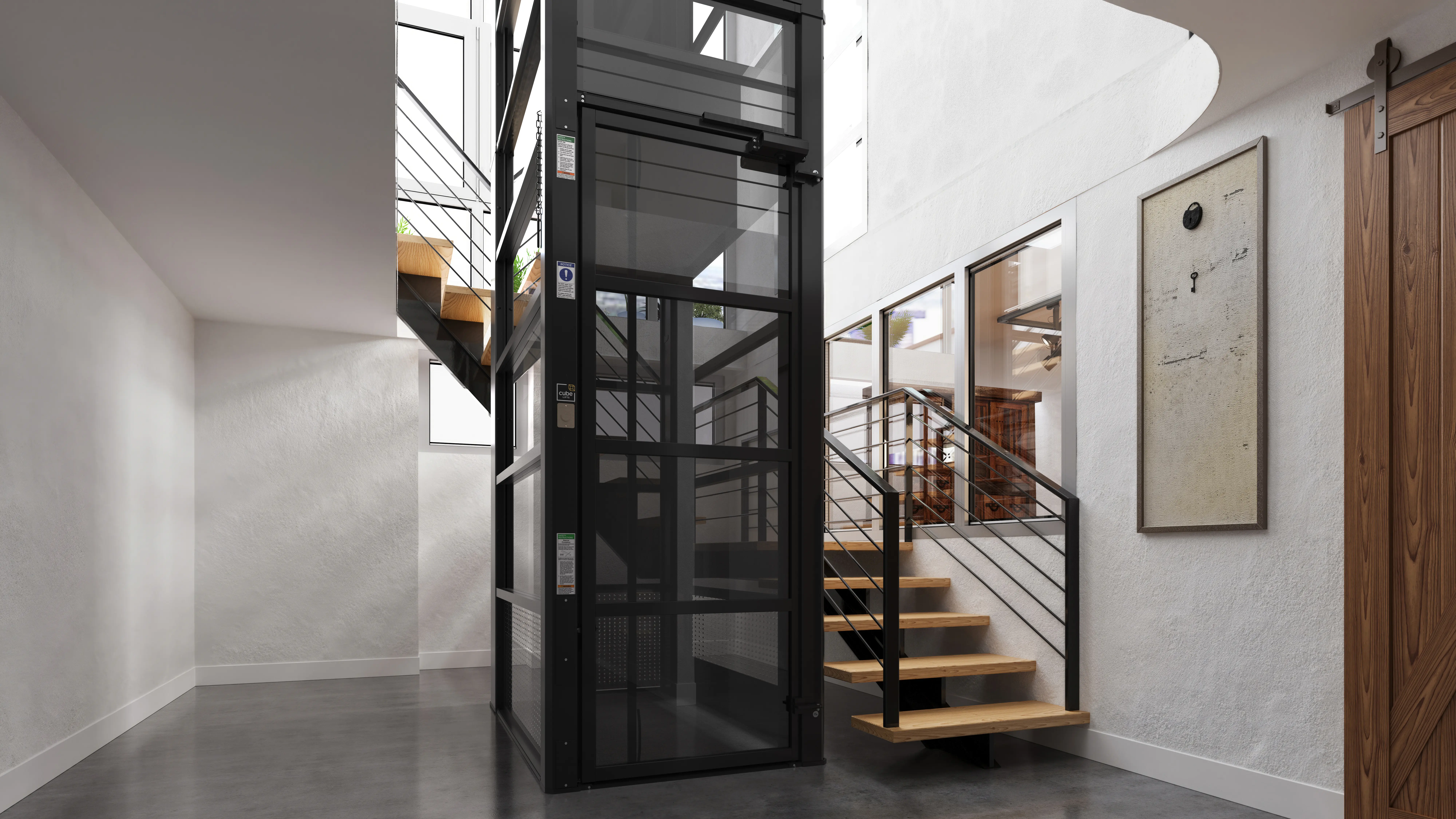
The Cube is a modern residential elevator designed to fit into real homes, including existing homes where space may be limited. Its square cabin design gives it a clean, familiar look, while its compact footprint helps it work in smaller areas such as hallways, open corners, or near stairways.
The Cube is highly energy efficient, engineered to move smoothly between two or three floors with quiet operation and energy efficiency in mind. Because it does not require a pit, shaft, or machine room, it can often be installed with fewer extensive modifications than many traditional lifts or in-shaft elevator systems.
For homeowners with limited mobility, mobility limitations, low vision, or changing accessibility needs, The Cube can make daily movement between floors easier and more comfortable. A local representative can help review your home’s structure, weight capacity needs, and available space to determine whether The Cube is the right elevator for your home.
Vacuum Elevators: Space-Saving Comfort
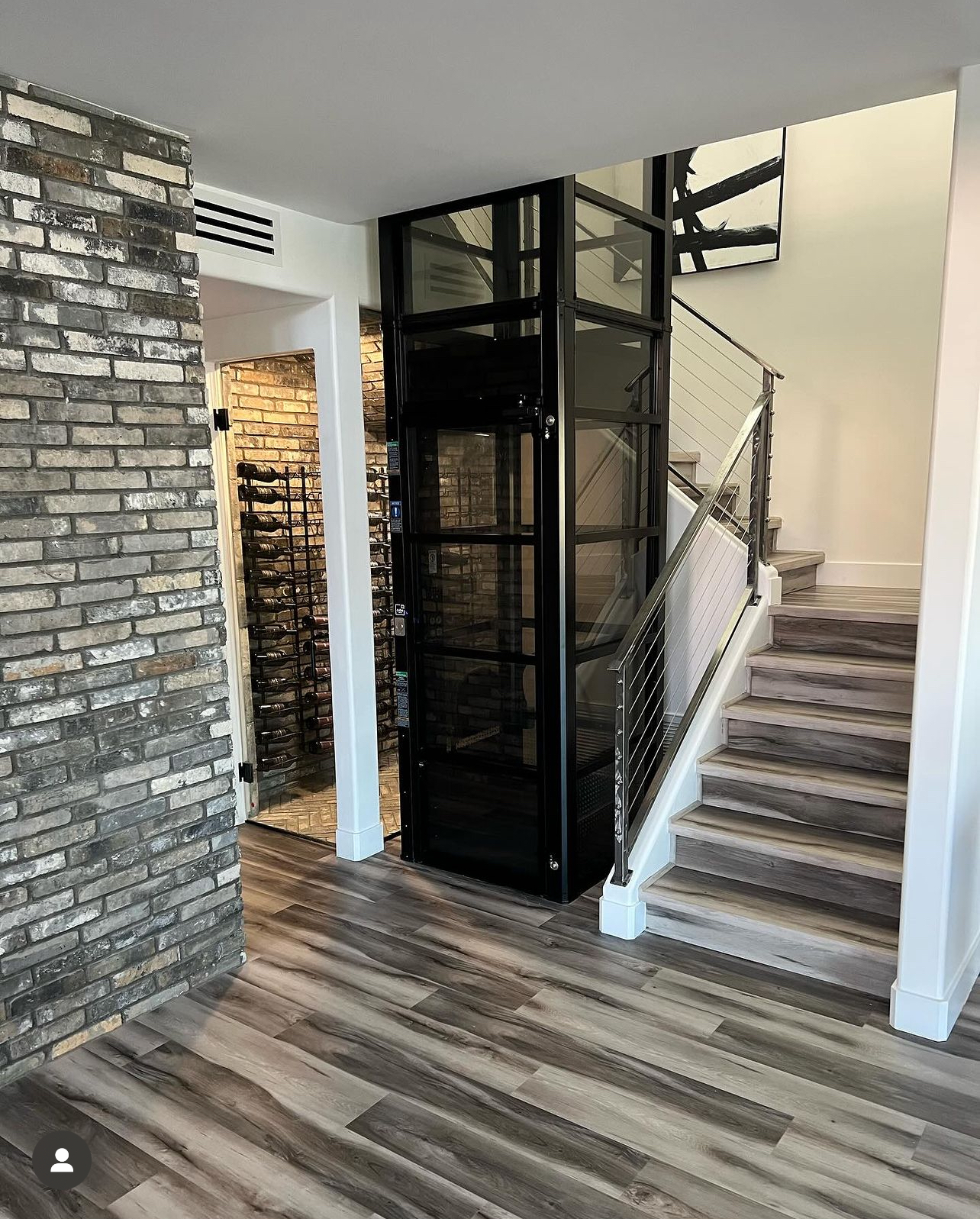
The Cube’s square design takes up minimal floor space with a compact 36″ × 36″ footprint. It is rated for up to 450 lbs, making it suitable for two passengers, groceries, luggage, or everyday household needs.
Its compact size makes it a strong option for homes with limited space, especially when a traditional elevator shaft would be difficult to add. For homeowners comparing elevator options around specific accessibility needs, optional features such as an in-cabin folding seat can also help improve comfort, support daily mobility, and enhance overall quality of life.
Quick, Energy Efficiency & Low-Impact Implementation
Most installations can be completed in 2–3 days once site preparation is complete. This makes The Cube a practical option for many existing homes where homeowners want improved access between floors without a long construction timeline.
Because every home’s structure is different, installation details depend on the layout, floor conditions, number of stops, and local requirements. A qualified dealer can confirm what is needed based on your space, specific needs, and project goals.
Air-Powered Technology And All Clean Energy Powered Cube Elevator
The Cube uses air-powered technology to move between floors, reducing the need for many of the components found in traditional elevator systems. It uses power primarily during ascent, while descent is supported by gravity and controlled air movement.
This streamlined, highly customizable design helps support efficient operation and lower maintenance needs over time. For homeowners comparing elevator options, The Cube offers a cleaner, simpler alternative to systems that rely on hydraulic fluid, large machine rooms, or more extensive mechanical equipment.
Panoramic Views
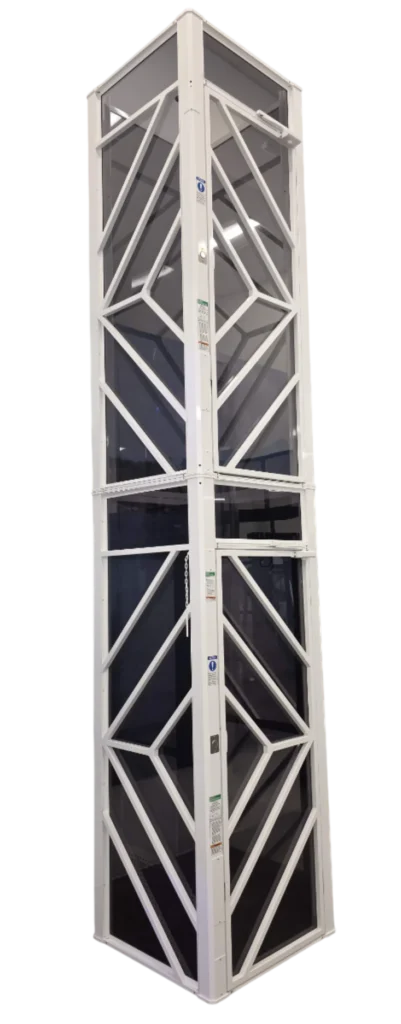
The Cube’s transparent panels create an open, panoramic ride experience. For homeowners who dislike enclosed spaces, the added visibility can make travel between floors feel more comfortable and less confined.
The clear cabin design also helps the elevator feel more integrated with the home, turning it into a modern design feature rather than a bulky mechanical addition.
Safety Features, Enhanced Mobility & Dependability You Can Trust
Safety is one of the most important considerations when choosing a home elevator for limited mobility, accessibility, or aging in place. The Cube is designed with safety-focused features that support stable travel, controlled operation, and dependable everyday use.
Depending on the final configuration, safety features may include emergency braking, battery backup, call stations, landing controls, non-slip flooring, and secure doors. In the event of a power outage, The Cube is designed to support safe descent so passengers can exit.
During the planning process, you can review the exact safety features, backup operation, local requirements, and any specific needs with your dealer so you can make an informed decision.
Making Everyday Life Easier
For people with limited mobility or other mobility issues, a home elevator like The Cube can make daily routines more manageable. Instead of avoiding certain floors or relying on stairs, homeowners can move more comfortably between levels.
The Cube can help support:
- Easier access to bedrooms, bathrooms, laundry rooms, and main living areas
- Greater confidence moving between floors
- Aging in place in a familiar home
- Less strain from repeated stair use
- More convenient movement with groceries, luggage, or household items
These benefits can improve day-to-day comfort and quality of life for homeowners who want more freedom at home. As a compact residential lift, The Cube offers a practical accessibility upgrade for people who want easier movement between floors without a traditional elevator shaft.
Installation Essentials for Cube Lifts
The Cube’s compact 36″ × 36″ footprint helps it fit into many homes where space is limited, including hallways, open corners, or areas near existing stairs. Its smaller footprint can make installation easier when the home’s structure does not allow for a traditional elevator shaft.
The Cube can often be installed with less disruption than a traditional in-shaft elevator. Most installations are completed in 2–3 days once site preparation is complete, but each home should be reviewed by a qualified dealer to confirm floor conditions, access points, and specific needs.
For homeowners who require wheelchair access or have diverse needs, other elevator options may be more appropriate, including vertical platform lifts, inclined platform lifts, or larger residential elevator models designed for wheelchair use.
The Cube vs Wheelchair Lifts & Stair Lifts
The Cube is a compact home elevator for homeowners who want a stylish, space-saving way to move between floors. It is best suited for riders who can stand or sit inside the cabin and enter or exit without a wheelchair.
Wheelchair lifts, also called vertical platform lifts, are designed for wheelchair users who need to remain in their mobility device while moving between levels. These lift options are often used for porches, garages, decks, or short vertical rises where full elevator options may not be necessary.
Stair lifts are another option for people who can safely transfer into a chair mounted to the stairs. They can be useful for straight or curved staircases, but they do not offer the same enclosed ride, multi-person convenience, or full-floor access as a home elevator.
The right choice depends on mobility needs, accessibility needs, available space, number of floors, and whether wheelchair access is required. Comparing these options can help homeowners make an informed decision based on their specific needs, home layout, and long-term quality of life.
What to Look for in a Home Elevator for Limited Mobility
When comparing elevator options, look for a system that fits your home’s structure, available space, and specific accessibility needs. For many homeowners, the right elevator should offer smooth and quiet operation, dependable safety features, easy access, and a smaller footprint that works with the existing layout.
It is also important to consider daily use. Features such as battery backup, non-slip flooring, secure doors, call stations, and simple operation can support greater confidence for people with mobility challenges or mobility impairments. The ideal choice should improve quality of life without requiring extensive modifications to the home.
Choosing the Right Elevator
Choosing the right home elevator starts with understanding your mobility needs, accessibility needs, home layout, and long-term goals. Consider how often the elevator will be used, how many floors it needs to serve, whether seated travel is preferred, and whether wheelchair accessibility is required.
A local representative can evaluate your home’s structure, explain available elevator options, and help you make an informed decision based on your specific needs, available space, safety priorities, and daily mobility goals. From there, they can determine whether The Cube or another accessibility solution is the best fit.
FAQ
Can a Cube elevator be installed in an existing home?
Often, yes. The Cube is designed for retrofit flexibility because it rests on the existing ground floor and does not require a pit, shaft, or machine room. A dealer will confirm whether your home is a good fit during a site review.
What happens if the power goes out?
In the event of a power outage, The Cube is designed to lower safely so passengers can exit. Your dealer can review the exact backup operation and safety features for your configuration.
Is The Cube wheelchair accessible?
No. The Cube is designed for two passengers and up to 450 lbs of capacity, but it is not wheelchair accessible or ADA compliant. If wheelchair access is required, ask your dealer about vertical platform lifts or larger residential elevator options.
How do I make an informed decision about the best home elevator for my needs?
Start by reviewing your mobility needs, number of floors, available space, and whether wheelchair accessibility is required. A local elevator dealer can assess your home and recommend the safest, most practical solution.
What features should I look for in a home elevator for limited mobility?
Look for safety features, easy access, smooth and quiet operation, non-slip flooring, battery backup, and a compact design that fits your home’s structure. The right elevator should support your mobility needs, available space, and daily routine without requiring extensive modifications.