
Introduction to Residential Elevator Options
Residential elevators, often referred to as home elevators, have become an increasingly popular solution for homeowners seeking to enhance mobility, convenience, and accessibility within their living spaces. Whether you’re planning for the future, accommodating loved ones with mobility issues, or simply looking to add a touch of luxury and practicality to your home, there is a wide array of elevator options to consider.
Today’s residential elevators are designed to fit almost any location in the house, from a family room corner to a stairwell void, and can be installed in both new builds and existing homes. Some models are wheelchair accessible, making them an ideal choice for homeowners who want to ensure their home remains comfortable and navigable for everyone, regardless of physical ability.
From traditional elevators that offer a classic look and robust performance, to cutting edge technology like pneumatic vacuum elevators that provide a sleek, modern alternative, there is a solution to suit every style and budget. Home elevators can be tailored to the unique needs of your household, whether you require access between two floors or multiple stories, and can be installed with minimal disruption. By choosing the right elevator, homeowners can enhance their quality of life, add value to their property, and ensure their home remains a welcoming space for years to come.
Types of Elevators
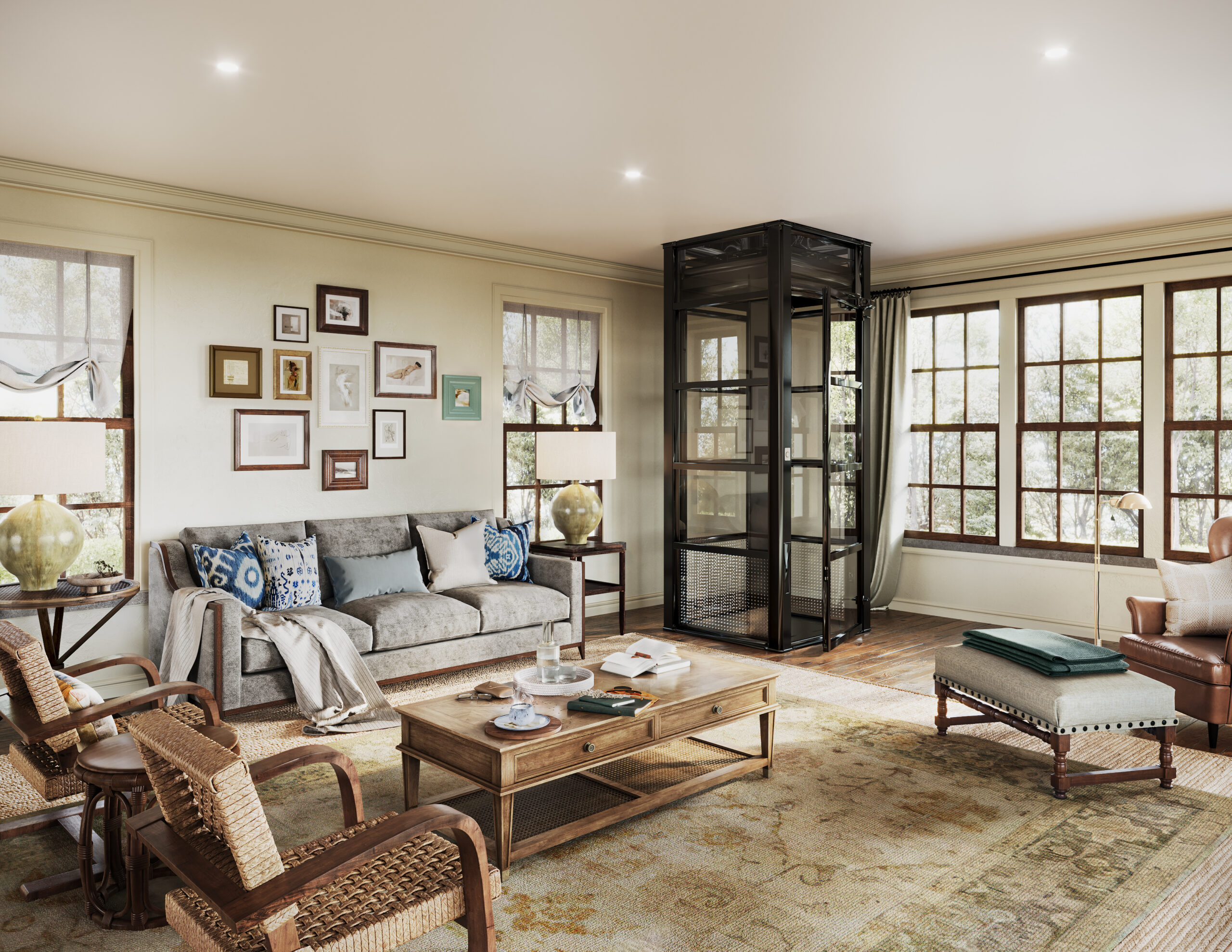
When it comes to home elevators, homeowners have several innovative options to choose from, each offering distinct advantages in terms of design, installation, and operation. One of the most popular choices is the shaftless elevator, which is prized for its small footprint and ability to be installed with minimal construction work. This type of elevator is especially well-suited for homes with limited space, as it can be placed in a stairwell void or tucked into a corner, providing a space-saving solution without the need for a traditional shaft or machine room. Cube elevators offer 360-degree visibility through polycarbonate panels, enhancing modern aesthetics and the interior design of the home.
Pneumatic elevators are another cutting-edge option, utilizing air pressure to gently lift and lower the cabin between floors. Known for their compact design and smooth operation, pneumatic elevators are ideal for homeowners who want a future proof solution that can be easily retrofitted into existing homes. Their self-supporting structure and standard retrofit capabilities mean they can be installed quickly and efficiently, often without the need for extensive additional construction.
Traditional elevators remain a reliable choice for those seeking a timeless design and robust performance. While they may require more space and a more involved installation process, they offer a familiar form and can be customized to match the style of any home. Small home elevators, designed specifically for residential use, combine many of these benefits—offering a compact footprint, efficient operation, and the ability to enhance both the functionality and aesthetic appeal of your living space.
No matter which type of elevator you choose, modern home elevators are engineered to be quiet, efficient, and easy to operate, providing homeowners with a convenient way to move between floors while maximizing available space and minimizing costs.
Key Takeaways
- Cube home elevators are compact, space-efficient residential lifts with a square or cubic design that maximizes interior space while requiring minimal footprint of 38″ x 38″ inches.
- These self supporting structures can be installed in existing homes without major construction work, with most installations completed in one to two days
- Modern cube elevators include comprehensive safety features like battery backup systems, emergency communication, and automatic door sensors for reliable operation
- The pneumatic technology and compact design make these small elevators suitable for almost any location within a house, from family room corners to stairwell void spaces
As homeowners increasingly prioritize aging in place and accessibility, innovative solutions like cube home elevators are transforming residential mobility. These cutting edge technology systems represent a significant advancement over traditional elevators, offering space saving solutions that can accommodate two passengers while maintaining a remarkably small footprint.
Unlike conventional residential elevators that require extensive construction work and machine room installations, cube home elevators utilize pneumatic technology and self supporting structure designs that revolutionize home accessibility. This comprehensive guide explores everything homeowners need to know about these compact residential lifts, from installation requirements to long-term value considerations.
What Are Cube Home Elevators
A cube home elevator represents a revolutionary approach to residential vertical transportation, featuring a square or cubic cabin configuration that maximizes interior space efficiency. These small home elevators distinguish themselves from traditional round pneumatic vacuum elevator designs and rectangular platform lifts through their optimized square design that seamlessly integrates with modern home architecture.
The typical cube elevator features exterior dimensions of 36×36 inches, providing sufficient floor space for full size boxes, luggage and groceries while maintaining a compact footprint. This efficient use of space allows installation in locations where other home elevators simply cannot accommodate, including tight corners, closet spaces, and narrow hallways.
The cube home elevator model supports weight capacities of 450 pounds, making them suitable to carry two passengers along with mobility equipment such as walkers, or everyday household items like luggage, vacuum cleaners, and groceries. The ability to carry larger or bulky items makes these elevators a versatile alternative to stair lifts for both mobility and daily tasks. The pneumatic elevator technology eliminates the need for traditional drive systems, cables, or counterweights, creating a cleaner, more reliable operation.
These residential elevators operate using a 220 volt, single phase power supply and can serve both two story and 3-story homes, making them versatile solutions for various home configurations. The shaftless elevator design means the entire system operates within a simple shaft structure that extends through floors without requiring a separate machine room or extensive pit excavation. Many cube home elevators are available as a standard retrofit, allowing installation in existing homes with minimal modifications and often without the need for major renovations.
The square design provides several engineering advantages over cylindrical alternatives. The geometry allows for smoother operation and enhanced stability. Additionally, the cubic configuration integrates more naturally with standard residential floor plans and room layouts, providing an accessible alternative for those who find stairs challenging or limiting.
Benefits and Features of Cube Home Elevators
Space Optimization and Accessibility
The primary advantage of cube home elevators lies in their exceptional space efficiency compared to traditional elevator designs. These compact elevators require significantly less floor space than conventional residential elevators while providing equivalent functionality. The square configuration maximizes usable interior space, allowing comfortable accommodation of wheelchair users and mobility equipment.
Energy efficiency represents another significant benefit, as these systems operate on standard 220V electrical requirements without demanding specialized power infrastructure. The pneumatic technology consumes minimal energy during operation, particularly compared to hydraulic systems that require continuous power for both ascent and descent operations.
Design Customization Options
Modern cube home elevators offer extensive customization possibilities to match existing home decor and architectural styles. It is important to choose a cube home elevator that matches the style and decor of your residence, with options available for both customized and neutral designs to suit different aesthetic preferences. Interior finish options include premium wood paneling, brushed metal surfaces, tempered glass panels, and contemporary synthetic materials. These finishes can be selected to complement existing room design elements and create a cohesive aesthetic integration.
Lighting configurations provide both functional and ambient options, with a single LED ceiling light bulb offering energy-efficient illumination.
Door styles vary significantly, ranging from manual swing doors that blend with existing room architecture to sophisticated automatic doors that provide hands-free operation. These door options can be selected to accommodate existing interior doors for seamless visual integration.
Travel Speed and Performance
Cube home elevators operate at travel speeds optimized for residential comfort and safety, typically 30 feet per minute. While slower than commercial elevators, this speed provides smooth, comfortable transportation that minimizes user anxiety and ensures safe operation for elderly residents and those with mobility concerns.
The precision engineering delivers smooth acceleration and deceleration cycles that eliminate jarring movements or sudden stops. Advanced control systems ensure precise floor leveling, providing safe and comfortable entry and exit at each floor level.
This smooth operation makes cube elevators suitable for installation near bedrooms, living spaces, and other areas where noise considerations are important.
Drive System Considerations
When selecting a home elevator, the drive system is one of the most critical factors influencing performance, safety, and the overall impact on your living space. Modern residential elevators offer a range of drive technologies, each tailored to different needs and home layouts.
Pneumatic elevator systems have become increasingly popular for their innovative use of air pressure to move the cabin between floors. This cutting-edge technology delivers a remarkably efficient and smooth operation, making it ideal for installation near bedrooms, family rooms, or other living spaces. The compact design and small footprint of pneumatic elevators mean they can be installed in almost any location within the house—whether that’s a stairwell void, garage, or even a corner of the family room—without the need for a dedicated machine room or extensive additional construction.
In contrast, traditional elevators often require a machine room to house the drive system and other mechanical components. This not only takes up valuable floor space but can also increase installation complexity and costs. However, advancements in residential elevator design have led to self-supporting and shaftless elevator models, which eliminate the need for a machine room altogether. These systems use a simple shaft or even a self-supporting structure, allowing for flexible placement and easier integration into existing homes, including two-story homes or those with limited floor space.
For homeowners with mobility issues or those seeking wheelchair-accessible solutions, the choice of drive system is especially important. A robust and reliable lift system ensures that the elevator can safely accommodate two passengers, a wheelchair, or other mobility aids, providing convenient access to every floor. Many modern home elevators are equipped with advanced safety features, such as emergency lowering during a power outage, ensuring peace of mind for both users and their loved ones.
The right drive system can also help future-proof your home, making it easier to stay in the home as needs change over time. Whether you’re looking to enhance accessibility, add value, or simply improve daily convenience, consulting with a professional team can help you navigate the options and select a system that fits your lifestyle, space, and design preferences. With the right elevator drive system, you can enjoy a timeless design, efficient operation, and the flexibility to accommodate your family’s needs—now and in the future.
Installation Requirements and Process
Site Preparation and Structural Assessment
Installing a cube home elevator begins with a comprehensive home assessment to determine the feasibility and requirements for the specific location. Professional installers evaluate existing floor layouts, ceiling heights, and flooring capabilities to ensure safe installation without compromising structural integrity.
Floor opening specifications typically require 38″ x 38″ inches of space. This opening must extend through all floors the elevator will serve, requiring careful planning to avoid conflicts with existing utilities, ductwork, or structural elements.
Electrical requirements include installation of a dedicated 220V, single phase power supply with appropriate amperage capacity for the specific elevator model. Professional electrical work ensures compliance with local codes and provides reliable power for both normal operation and emergency backup systems.
The typical installation timeline ranges from one to two days for most residential applications, assuming proper site preparation has been completed. This rapid installation minimizes disruption to household routines and reduces the overall project impact on daily life.
Building Permits and Inspection Requirements
Most jurisdictions require building permits for home elevator installations, with specific requirements varying by location. Homeowners should work with qualified installers who understand local permitting processes and can ensure compliance with applicable building codes and safety standards.
Inspection requirements may include structural assessments, electrical inspections, and final safety certifications before the elevator can be placed in service. These inspections verify proper installation, safety system functionality, and compliance with residential elevator standards.
Installation Locations and Considerations
Cube elevators can be installed in almost any location within a house that provides adequate vertical clearance and structural support. Common placement areas include hallways, room corners, closet spaces, and converted stairwell void areas. The compact design allows creative placement solutions that work around existing room layouts and furniture arrangements.
Proximity considerations include access to electrical panels for power connections and adequate clearance around the installation area for maintenance and service access. The installation should also consider proximity to frequently used living spaces and bedrooms for optimal convenience.
Safety Features and Compliance
Emergency Systems and Power Outage
Modern cube home elevators incorporate comprehensive safety systems designed to ensure reliable operation and user protection. In the event of power failure while in operation, the cabin will slowly descend to the lowest level via gravity. This ensures absolute safety as the passenger is able to freely exit the cabin once on the ground floor.
Emergency communication systems offer direct connection capabilities to emergency contacts. Built-in communication devices, like an in-cabin phone, allow users to call for assistance if needed, providing peace of mind for elderly users and family members.
Code Compliance and Safety Standards
Cube home elevators comply with ASME A17.7 safety code requirements for residential elevators, which is listed under A17.1, ensuring consistent safety standards across installations. This compliance covers mechanical components, electrical systems, emergency procedures, and maintenance requirements.
Overload protection systems prevent operation when weight limits are exceeded, protecting both users and equipment from potentially dangerous situations. Weight limit enforcement includes both audible and visual warnings when approaching capacity limits, followed by operational lockout if limits are exceeded.
Emergency Procedures
Emergency stop button located inside the elevator cabin provides immediate operational shutdown when flipped. The cabin will then slowly descend to the lowest level under safety modes. Once the emergency stop button is flipped back, power is restored and the elevator can resume normal operation.
Cost Considerations and Value
Initial Investment and Pricing Factors
Cube home elevator installations pricing positions them competitively against traditional home elevator alternatives while offering superior space efficiency and modern features.
Factors affecting total project costs include travel distance between floors, customization options, site-specific installation challenges, complexity of installation and local permit and inspection requirements. Homes requiring structural modifications or complex electrical work may experience higher installation costs, while straightforward installations in suitable locations often fall toward the lower end of the pricing range.
Comparison to alternative solutions reveals favorable economics for cube elevators. Traditional home elevator installations are frequently more expensive due to structural requirements and machine room construction, while stair lift systems, though less expensive initially, provide limited accessibility and may require multiple units for multi-story homes.
Long-term Value and Return on Investment
Home value increases of 5 to 10 percent are commonly associated with elevator installations, particularly in multi-story homes where accessibility represents a significant quality-of-life improvement. This value appreciation often offsets a substantial portion of the initial investment while providing immediate lifestyle benefits.
Long-term cost savings become apparent when compared to alternatives such as moving to single-story housing or extensive home modifications to accommodate mobility limitations. The ability to stay in the home and maintain independence often provides immeasurable value that extends far beyond financial considerations.
Financing and Warranty Options
Available financing programs through third party lenders help make cube elevators accessible to more homeowners. These programs often feature competitive interest rates and flexible terms that can integrate the elevator investment into overall home improvement financing strategies.
Standard warranty coverage typically is one year depending on specific components and manufacturer policies. Comprehensive warranties cover mechanical components, providing protection against defects and premature failures.
Service and maintenance contract options with a local authorized dealer offer long-term protection and maintenance coverage beyond standard warranty periods. These contracts often include regular inspection and maintenance services that help ensure continued reliable operation and may be cost-effective for homeowners planning long-term residence.
Maintenance and Service Requirement
Service Provider Network and Response
Service provider availability varies by geographic location, with most major metropolitan areas having qualified technicians within reasonable response distances. Homeowners should verify local service availability with their authorized distributor before installation and establish relationships with the dealer for ongoing maintenance needs.
Annual Operating Costs
Typical maintenance costs range depending on system complexity, usage levels, and local service rates. Without needing to replace any harmful oils, gases or lubricants, cost structure for maintenance on the Cube compares favorably to other home elevator technologies and represents a reasonable ongoing investment for the convenience and accessibility benefits provided.
Energy costs remain minimal due to the efficient pneumatic technology and low power requirements during operation. The cube home elevators simply uses gravity for descent, adding minimal impact to monthly energy costs while providing significant lifestyle benefits.
Regular maintenance investments prove cost-effective by preventing any potential issues in the future and extending overall system life. Well-maintained cube elevators can provide decades of reliable service with appropriate care and professional attention to maintenance requirements.
FAQ
How much space does a cube home elevator actually need for installation?
A cube home elevator typically requires a 38″ x 38″ inch floor opening, plus additional clearance around the installation area for installation space and future cleaning. The compact design allows installation in spaces where traditional elevators won’t accommodate, such as closet conversions, room corners, or narrow hallway areas. Unlike conventional elevators requiring separate machine rooms and extensive pit excavation, cube elevators simply rest on the existing ground floor of any home.
Can a cube home elevator be installed in a two-story home for future use?
Yes, cube elevators can be installed in two-story homes with every elevator custom built to the floor to floor heights of each residence. Able to travel up to 3 stops or 35 feet in rise, The Cube is an economical alternative to stair that improves accessibility while minimizing disruption to the residence.
What happens to a cube home elevator during extended power outages?
In the event of power failure while in operation, The Cube home elevator will go into safety mode where the cabin will slowly descend to the ground floor via gravity. Once at the lowest levels, the mechanical doors will automatically unlock and the passenger may safely exit. If the elevator cabin in parked at a specific level, the cabin will remain at that floor in a power outage. Automatic descent is only activated when the elevator cabin is in motion.
Are cube home elevators suitable for commercial or multi-family buildings?
Cube home elevators are designed specifically for residential use in single-family homes and typically don’t meet commercial building codes or capacity requirements. Commercial applications require traditional passenger elevators with higher weight capacities, faster travel speeds, and different safety certifications. Multi-family residential buildings may have specific code requirements that exceed residential elevator specifications.
How does the ride quality of a cube elevator compare to traditional home elevators
Cube elevators provide smooth, efficient operation comparable to or exceeding traditional residential elevator systems. Able to transport up to 2 passengers or 450 lbs, the Cube has a compact design that still provides increased comfort during travel. Users often find the ride quality superior to older hydraulic systems while enjoying the benefits of modern control systems and safety features.
Conclusion and Final Thoughts
Cube home elevators and other compact residential lifts represent a transformative step forward in home accessibility and convenience. With their space-saving designs, advanced safety features, and flexible installation options, these elevators make it possible for homeowners to enjoy seamless movement between floors—regardless of age or mobility challenges. Whether you’re looking to future-proof your two-story home, or simply enhance your daily living experience, there is a home elevator solution to fit your needs and style.
By understanding the different types of residential elevators available and considering factors such as installation requirements, drive systems, and long-term value, homeowners can make informed decisions that will benefit their families for years to come. Investing in a home elevator not only adds practical functionality and peace of mind but can also increase the value and appeal of your property. With the support of experienced professionals and a wide range of customizable options, enhancing your home with a modern elevator has never been more accessible or rewarding.